Indore to Lucknow, Dudhwa & Pilibhit: A Wild Safari Escape
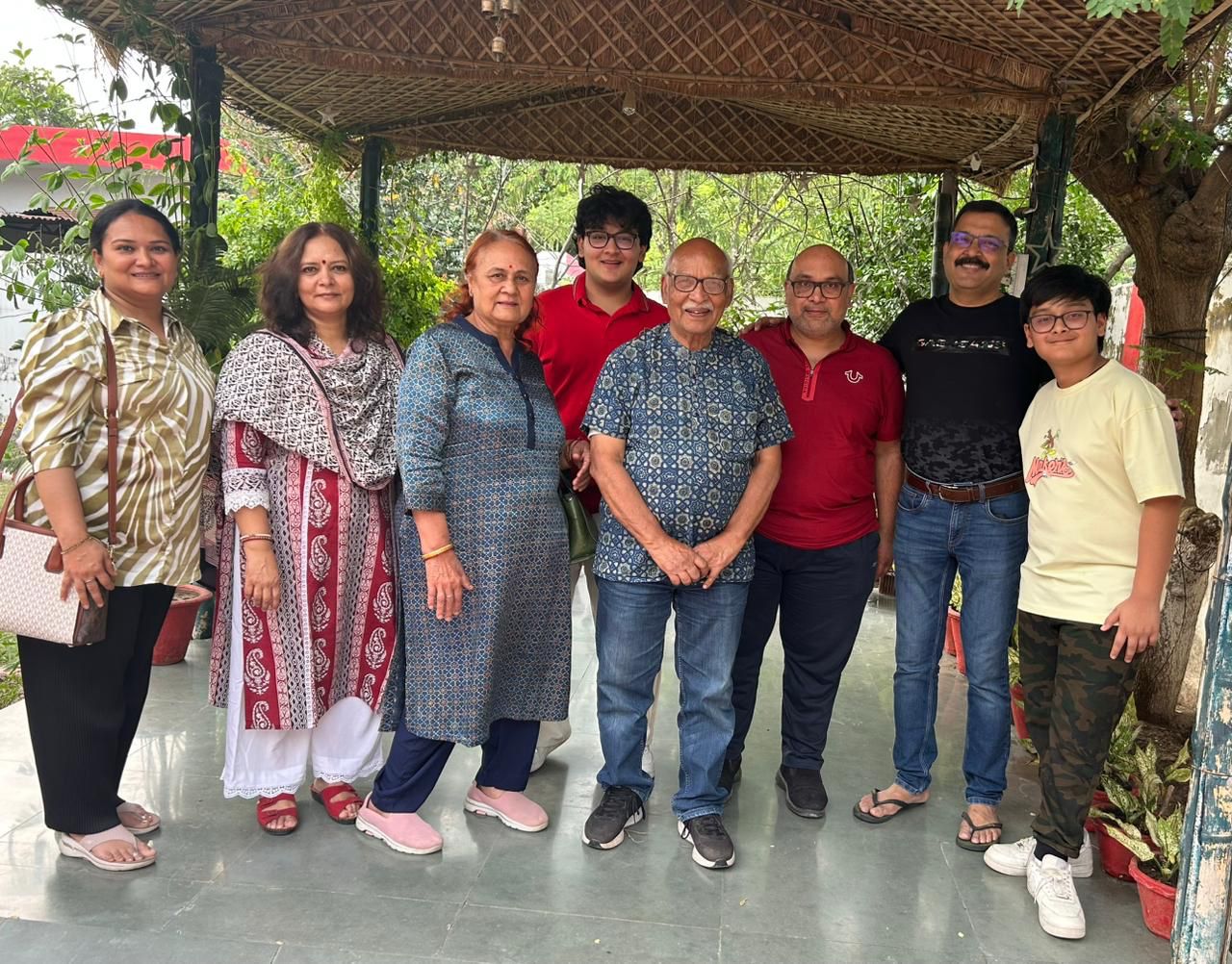
From May 28 to June 1, my family—Dada, Dadi, Maa, Papa, my younger brother Krishnaraj, and I—set out on a memorable journey from Indore to Lucknow, followed by an adventurous jungle safari through the wilds of Dudhwa and Pilibhit Tiger Reserves.
Arrival in Lucknow: A City of Nawabs and Culture
We took a direct Indigo flight from Indore to Lucknow around 4 PM. From the airport, our first stop was a shop known for the famous Lucknow Chicken Kurta, where we picked up some elegant traditional attire. We then headed to our hotel, Hyatt Regency in Gomti Nagar. Our stay at the Hyatt was wonderful—offering comfort, warm hospitality, and, notably, quite reasonable rates for the season compared to other luxury hotels. It was the perfect place to begin our journey.
Hyatt Regency
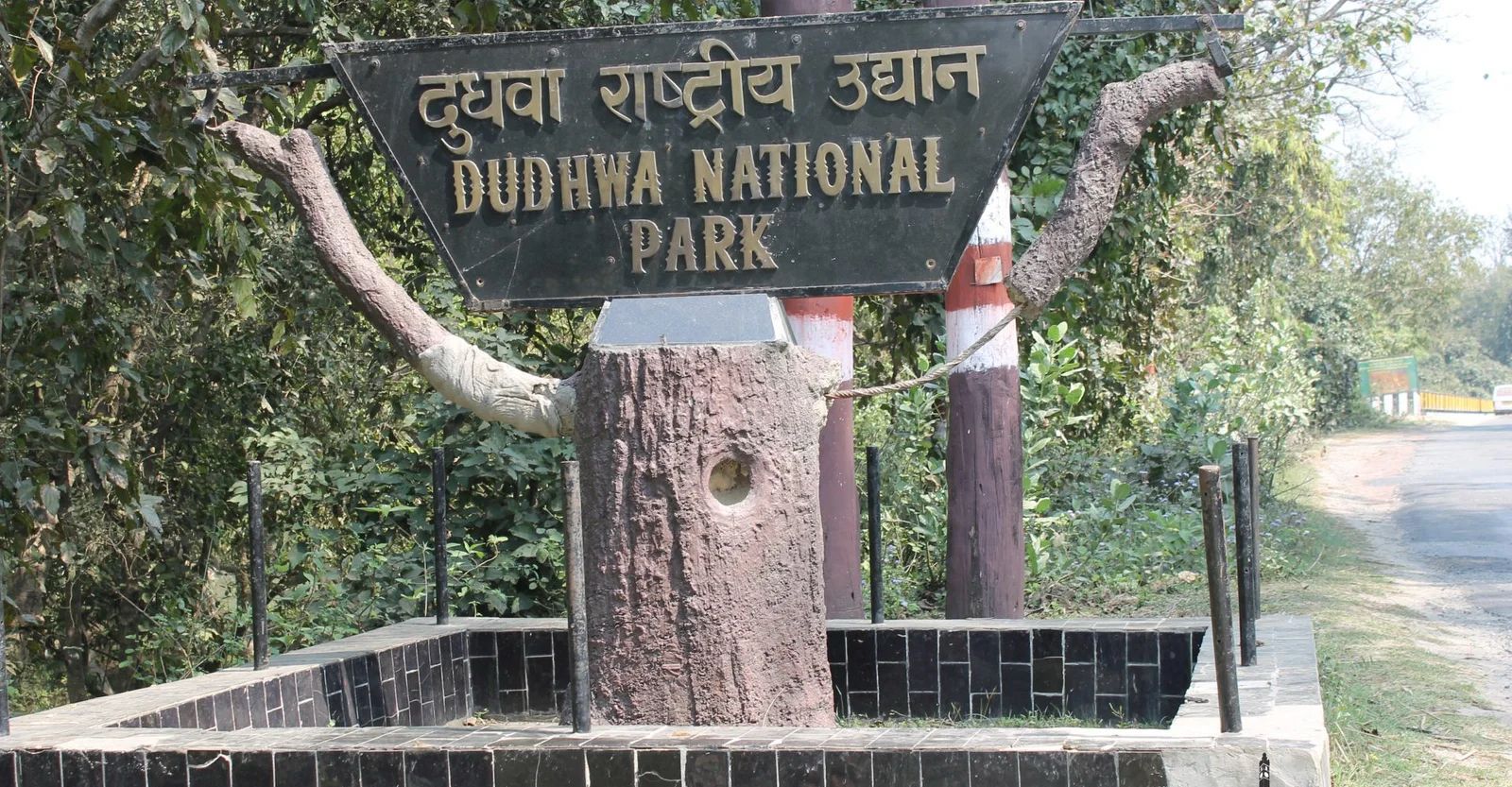
The Historic Forests of Dudhwa National Park
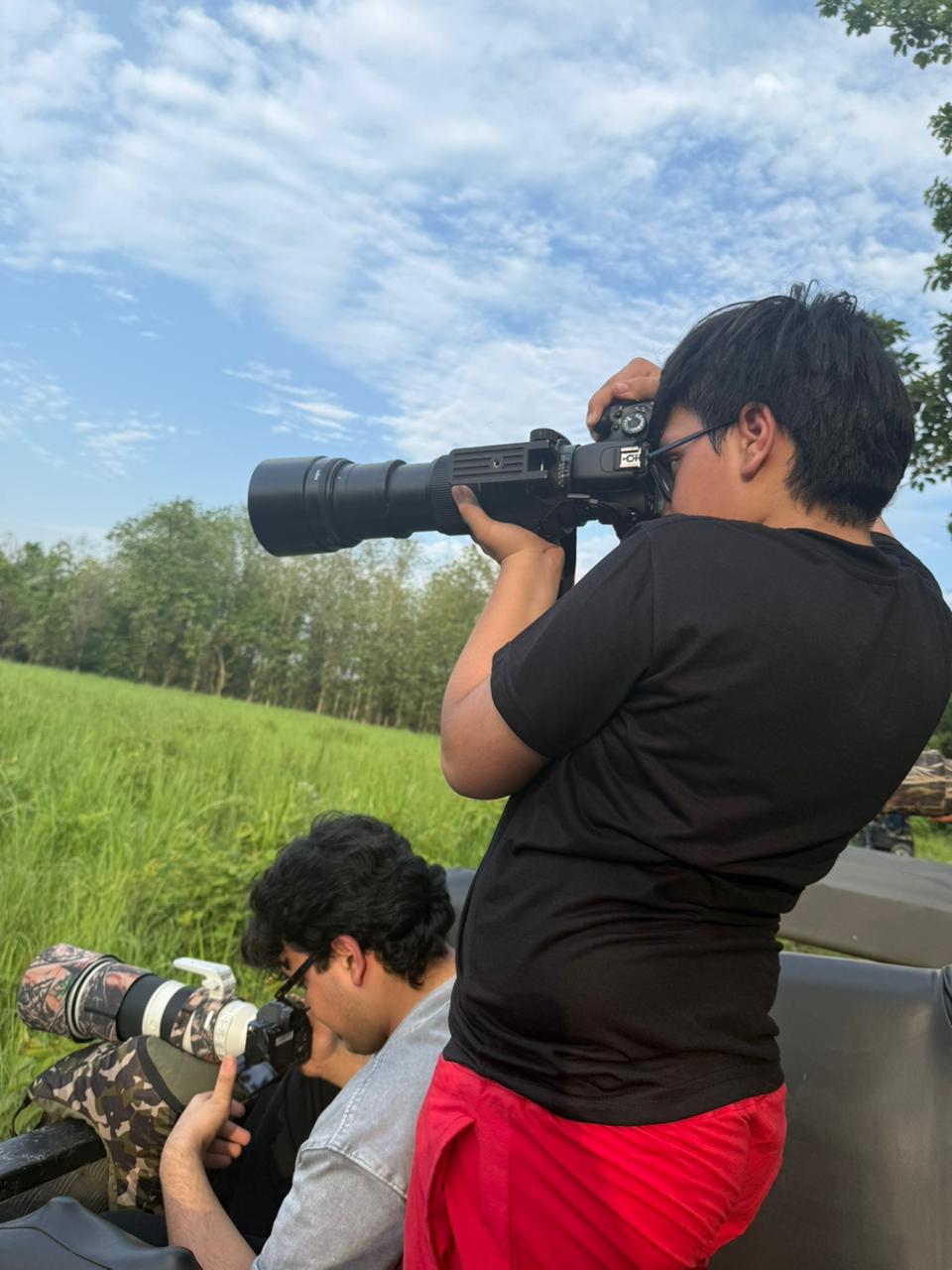
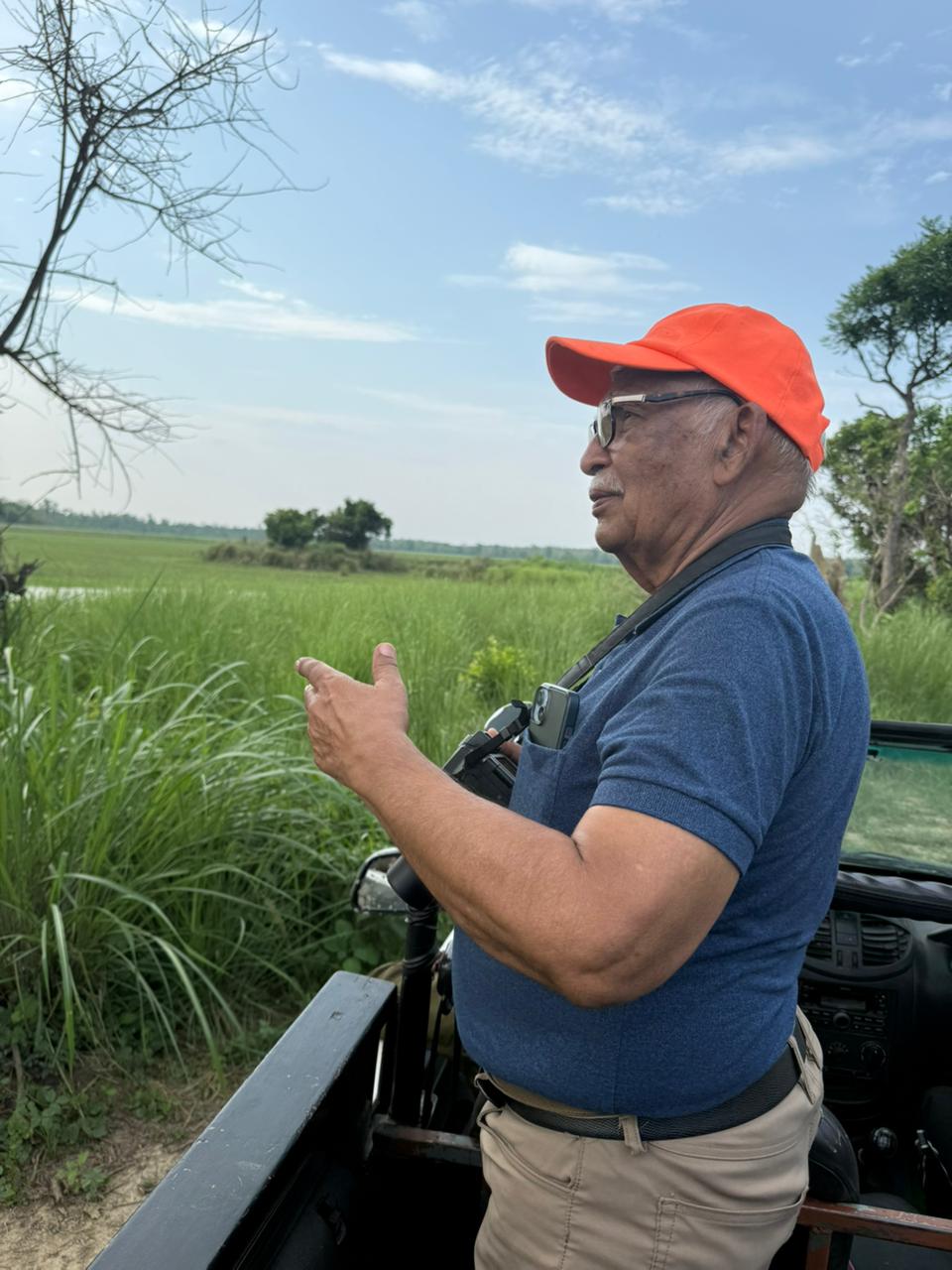
The next morning, May 29, we left early by car for Dudhwa, accompanied by Shri Siddharth Singh — a professional photographer, hotelier, and tour organizer, whose vast experience and love for wildlife deeply enriched our journey. He is a multi-talented and dynamic personality, ethical, helpful, and someone from whom my brother Krishnaraj and I learned a great deal.
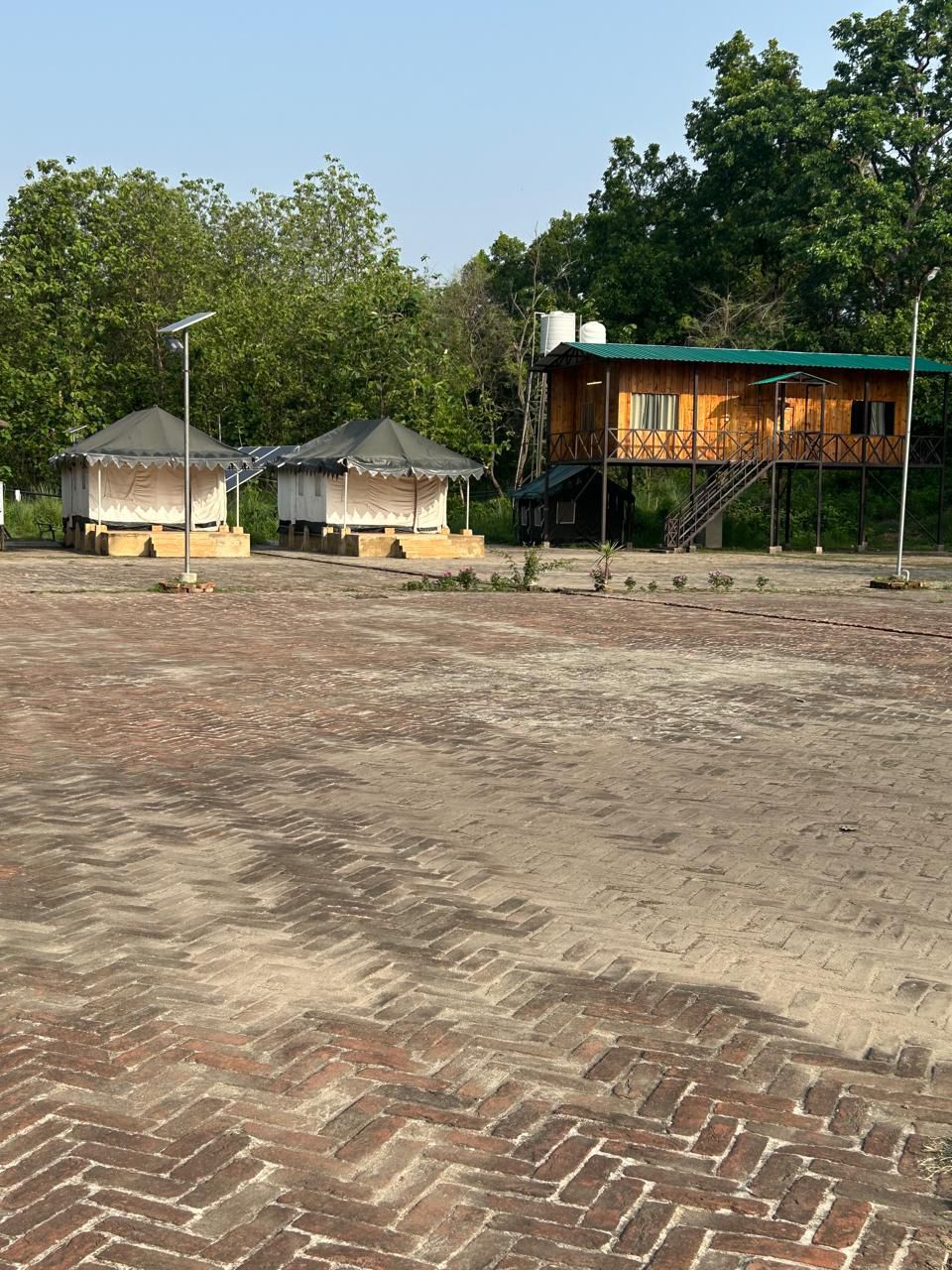
We traveled in three vehicles and stayed at Nirvana Resort in Dudhwa. The accommodation was decent, but the service could have been better.
A Brief History
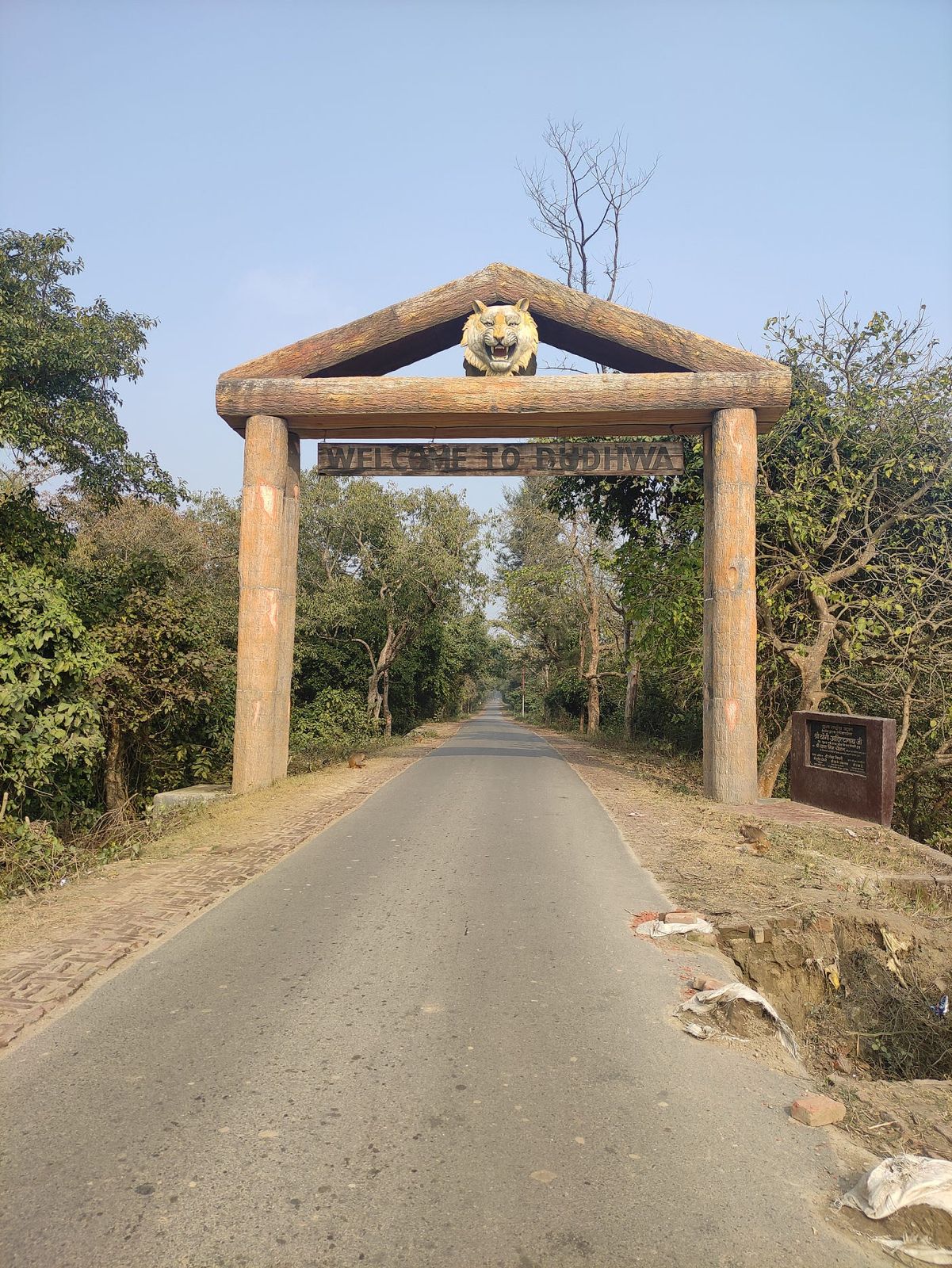
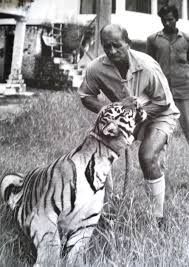
Dudhwa National Park, located in the Terai region of Uttar Pradesh near the Nepal border, began as a sanctuary in 1958 to protect the endangered swamp deer (Barasingha) and was declared a national park in 1977. Key to its conservation legacy were Dr. Ram Lakhan Singh, who also worked to protect one-horned rhinos, and Billy Arjan Singh, a hunter-turned-conservationist who brought global attention to the park.
Originally developed by the British as commercial timber plantations, the sal and teak forests later formed the base for today’s rich wildlife habitats. Dudhwa now thrives as a model of eco-tourism and conservation.
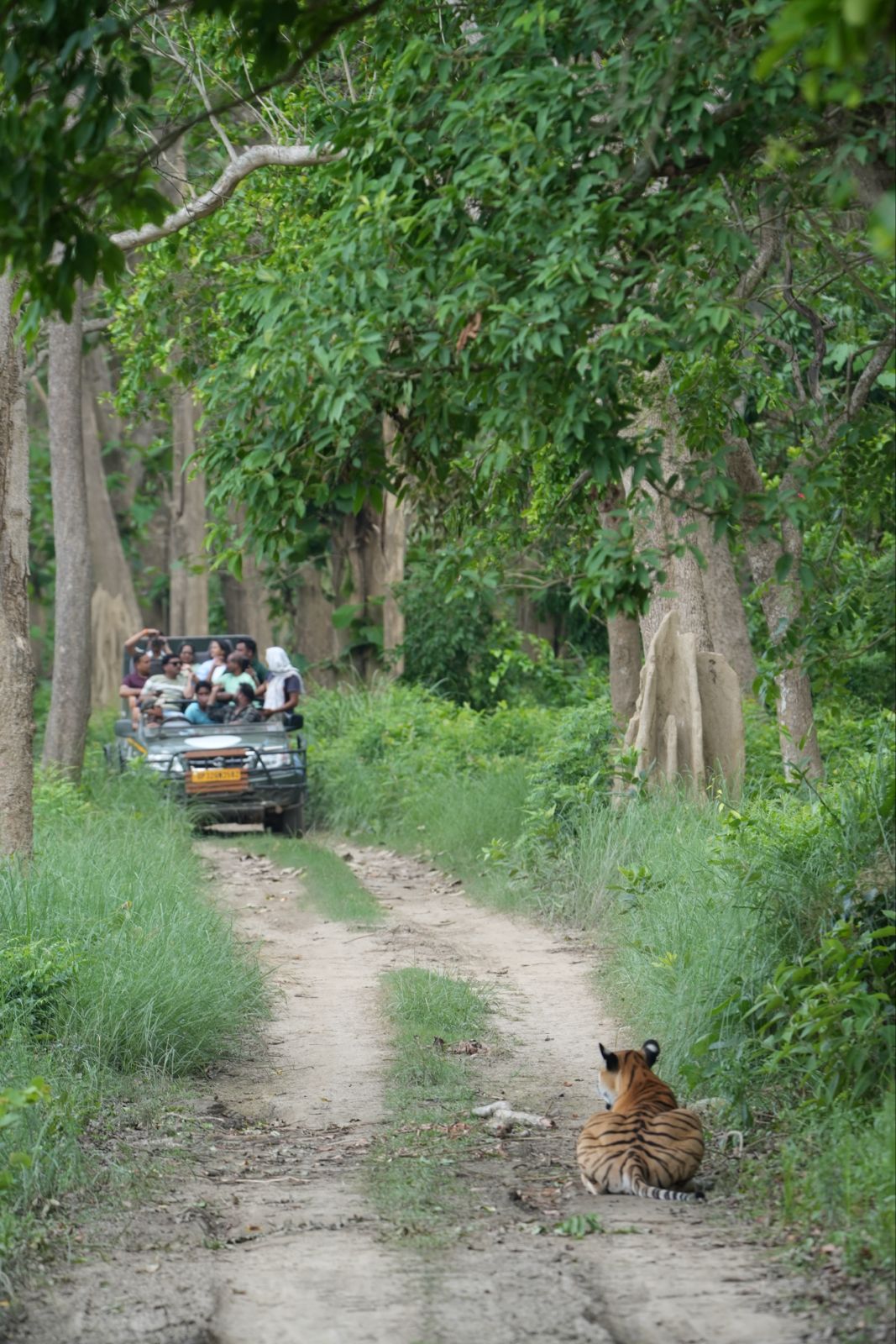
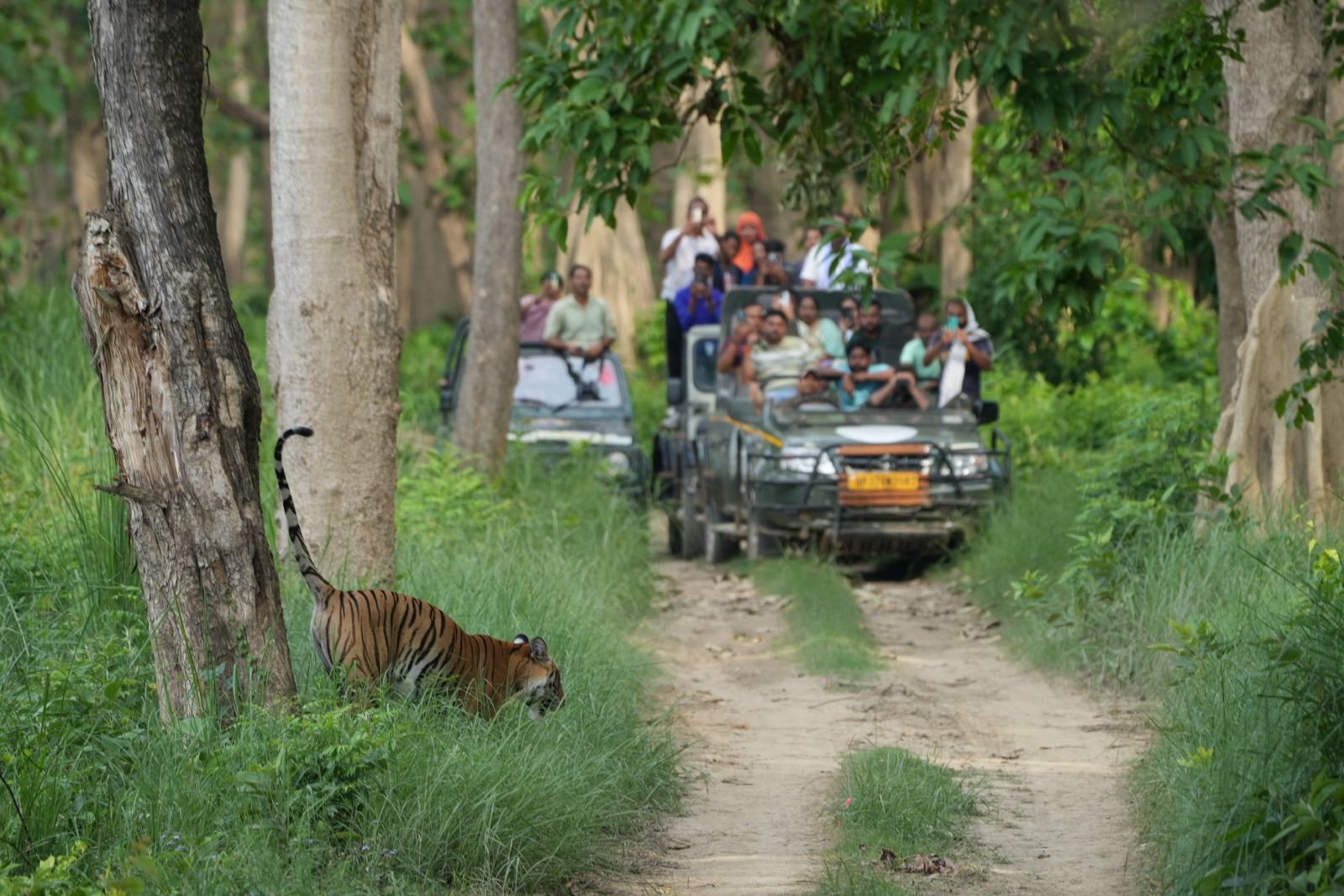
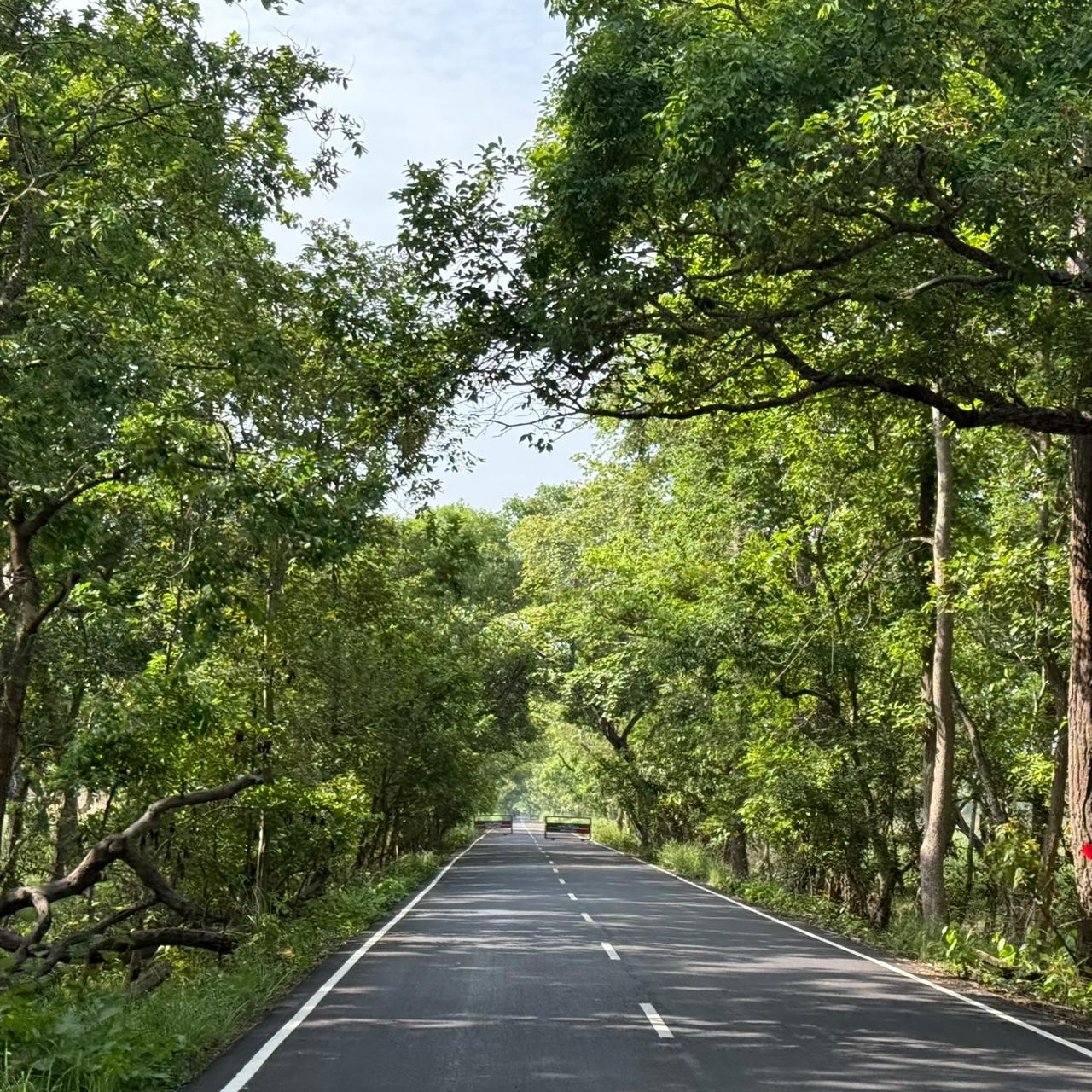
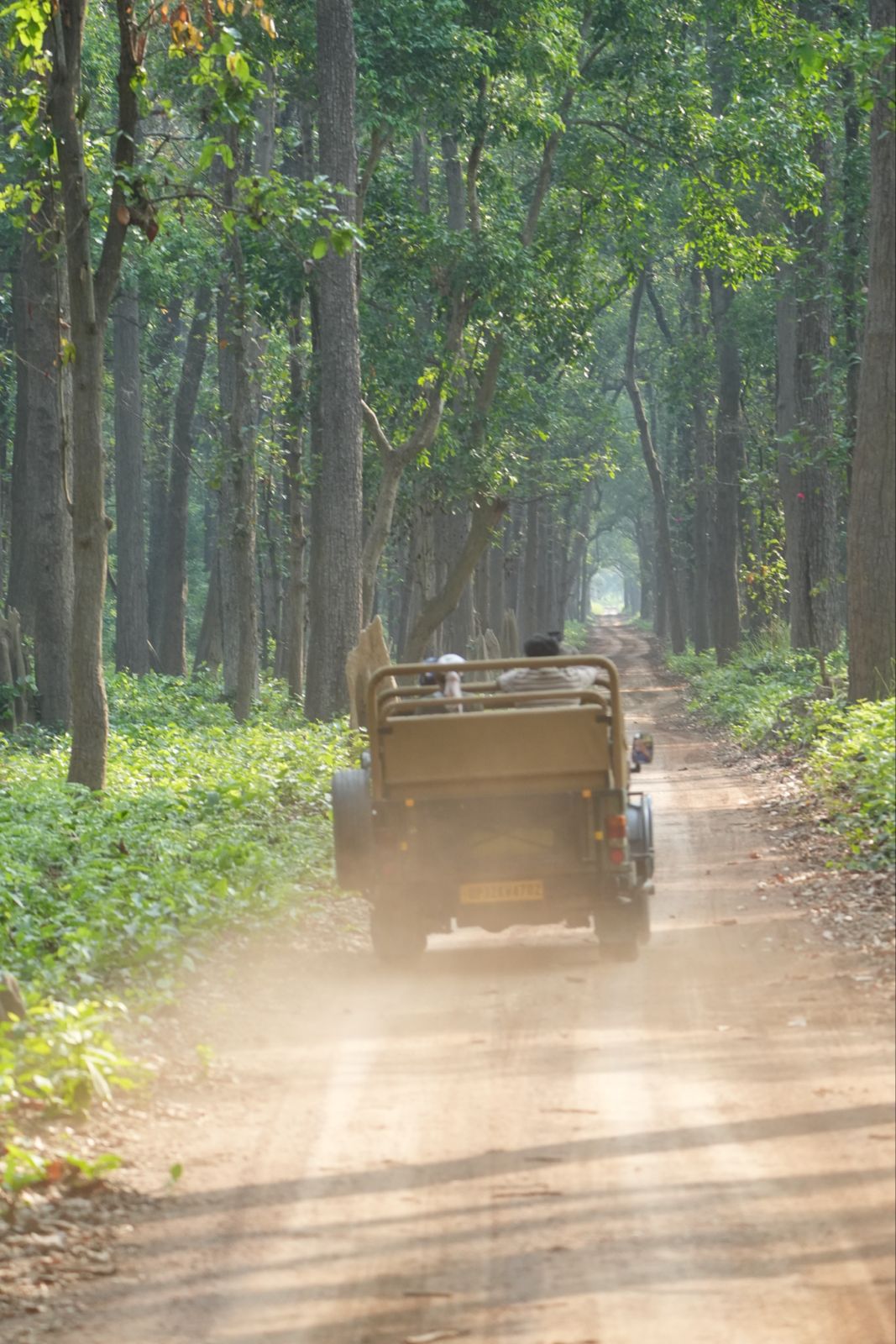
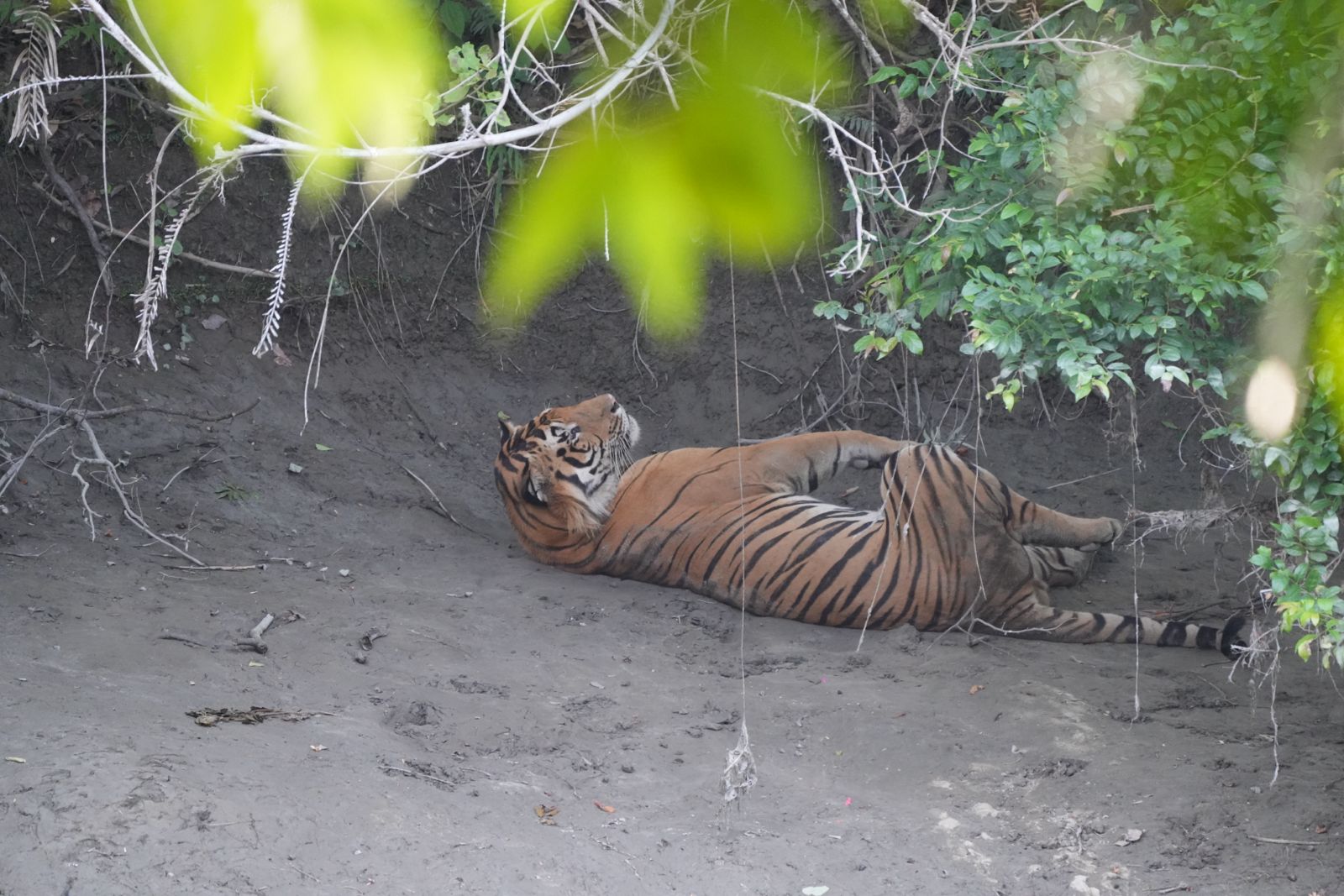
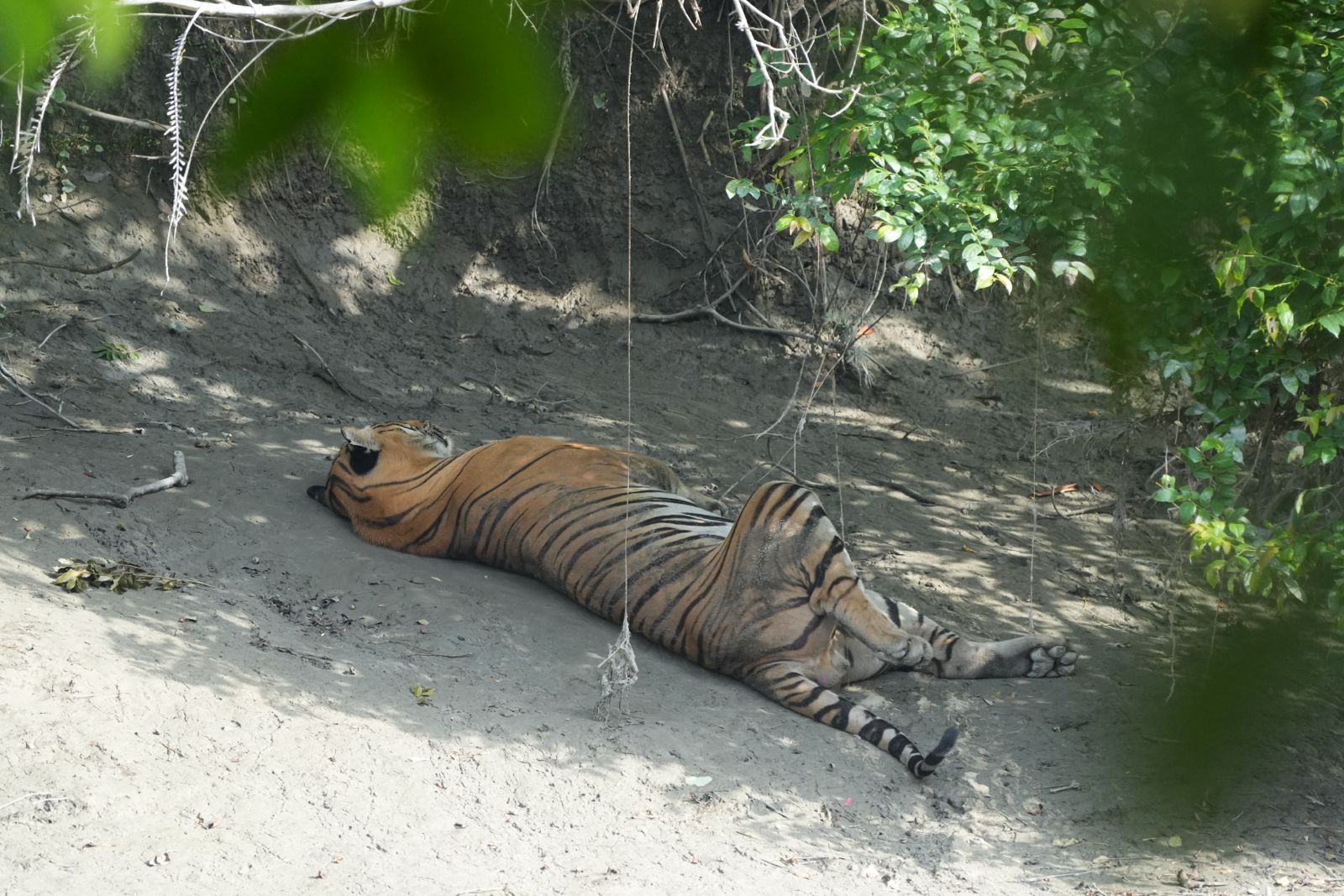
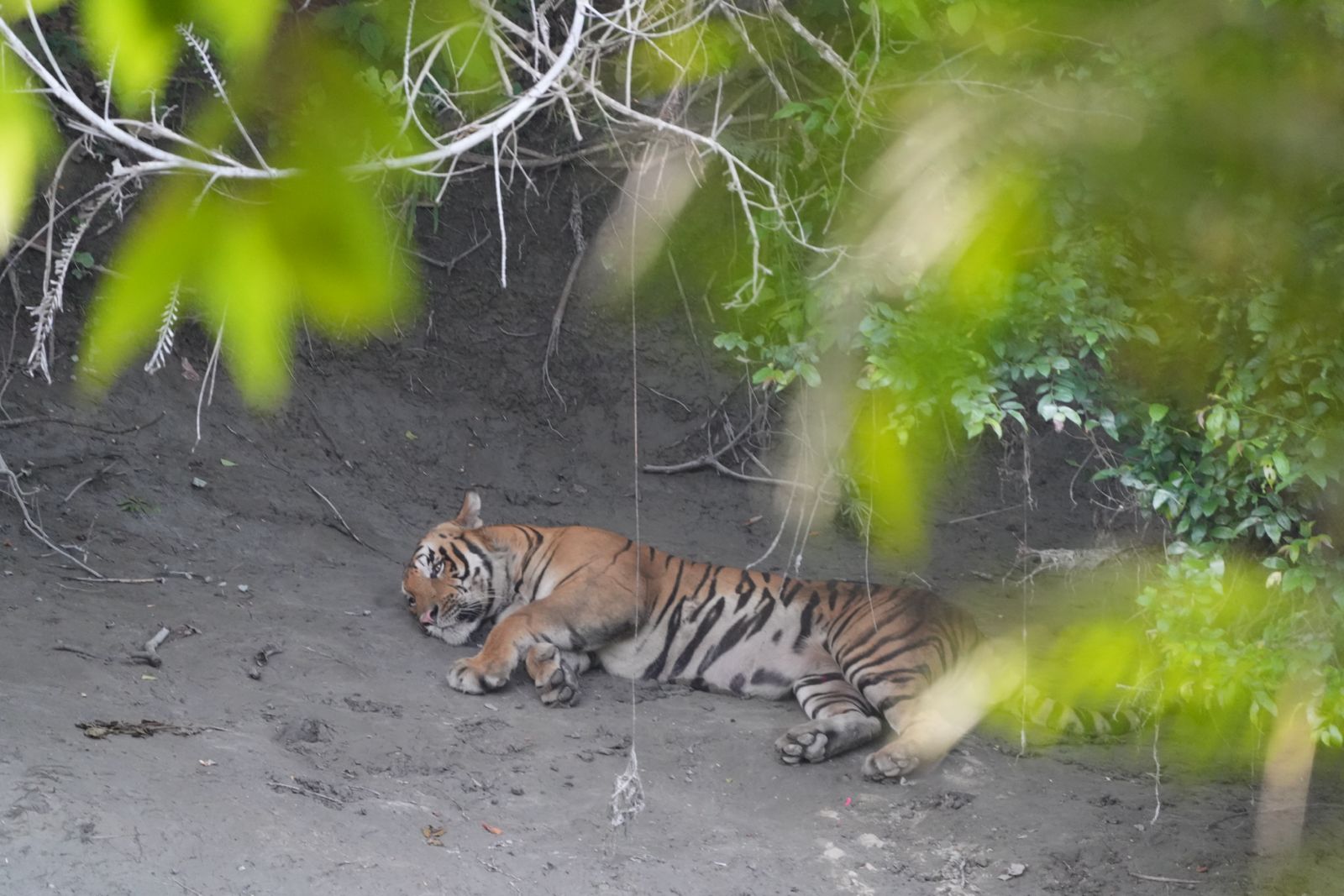
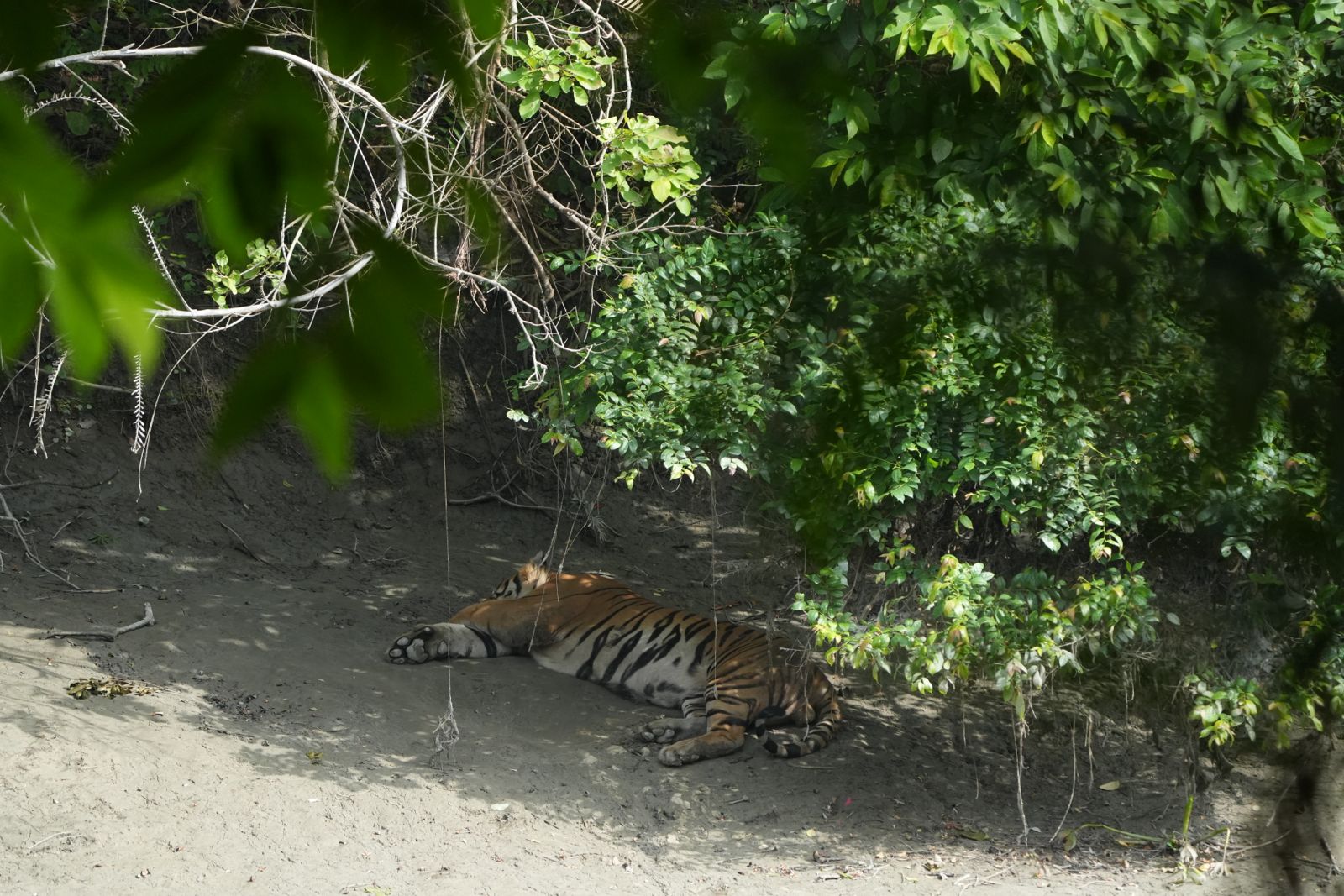
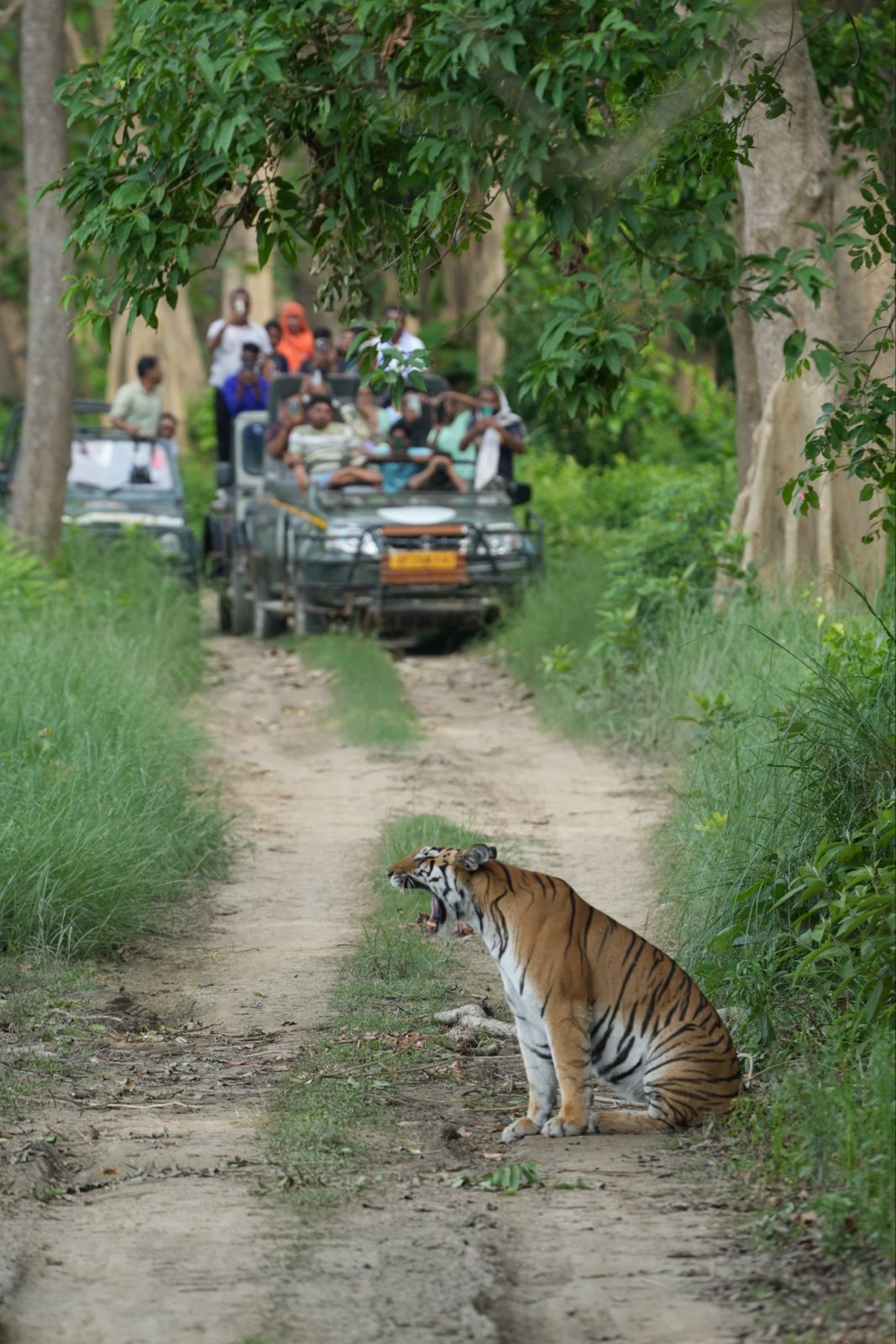
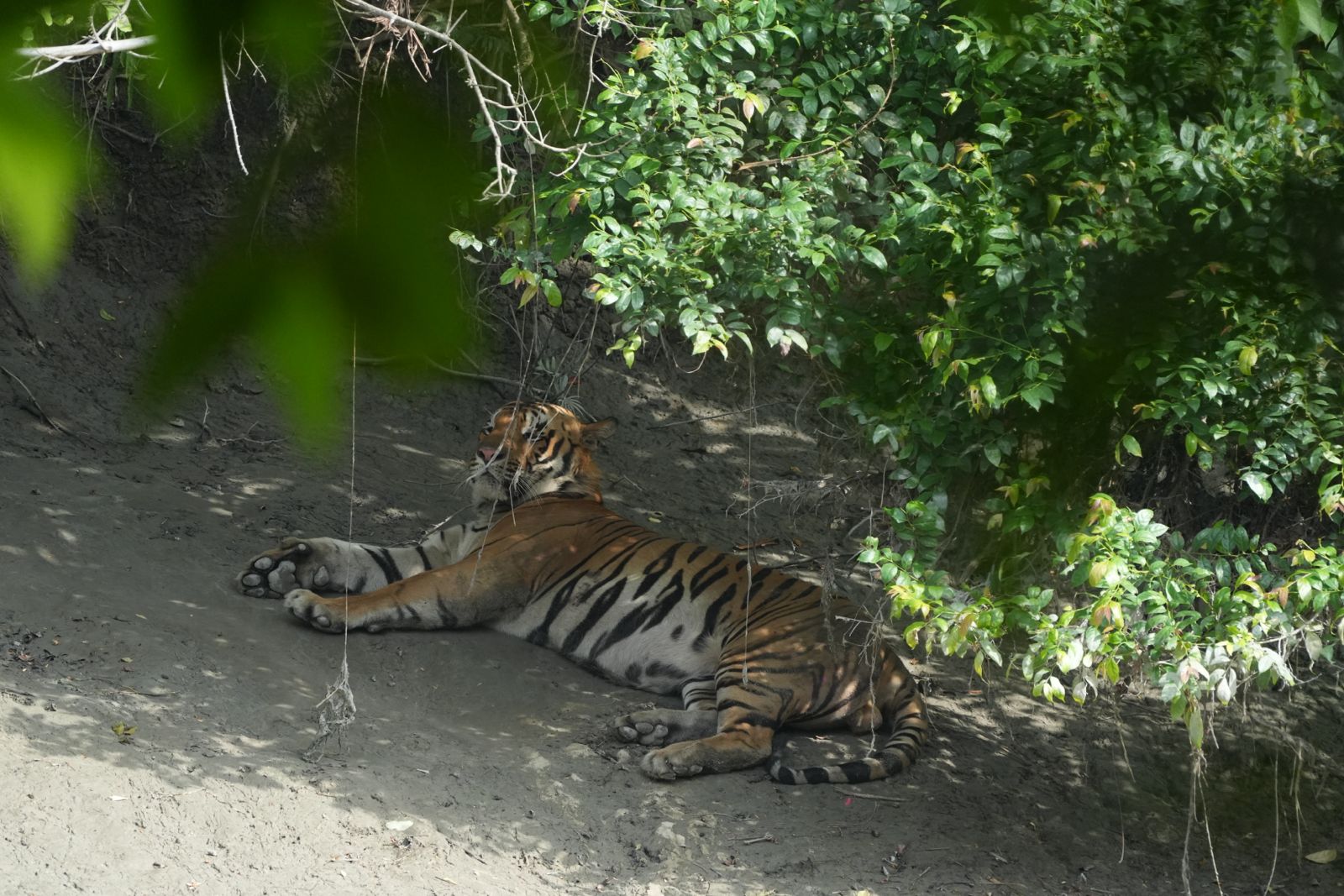
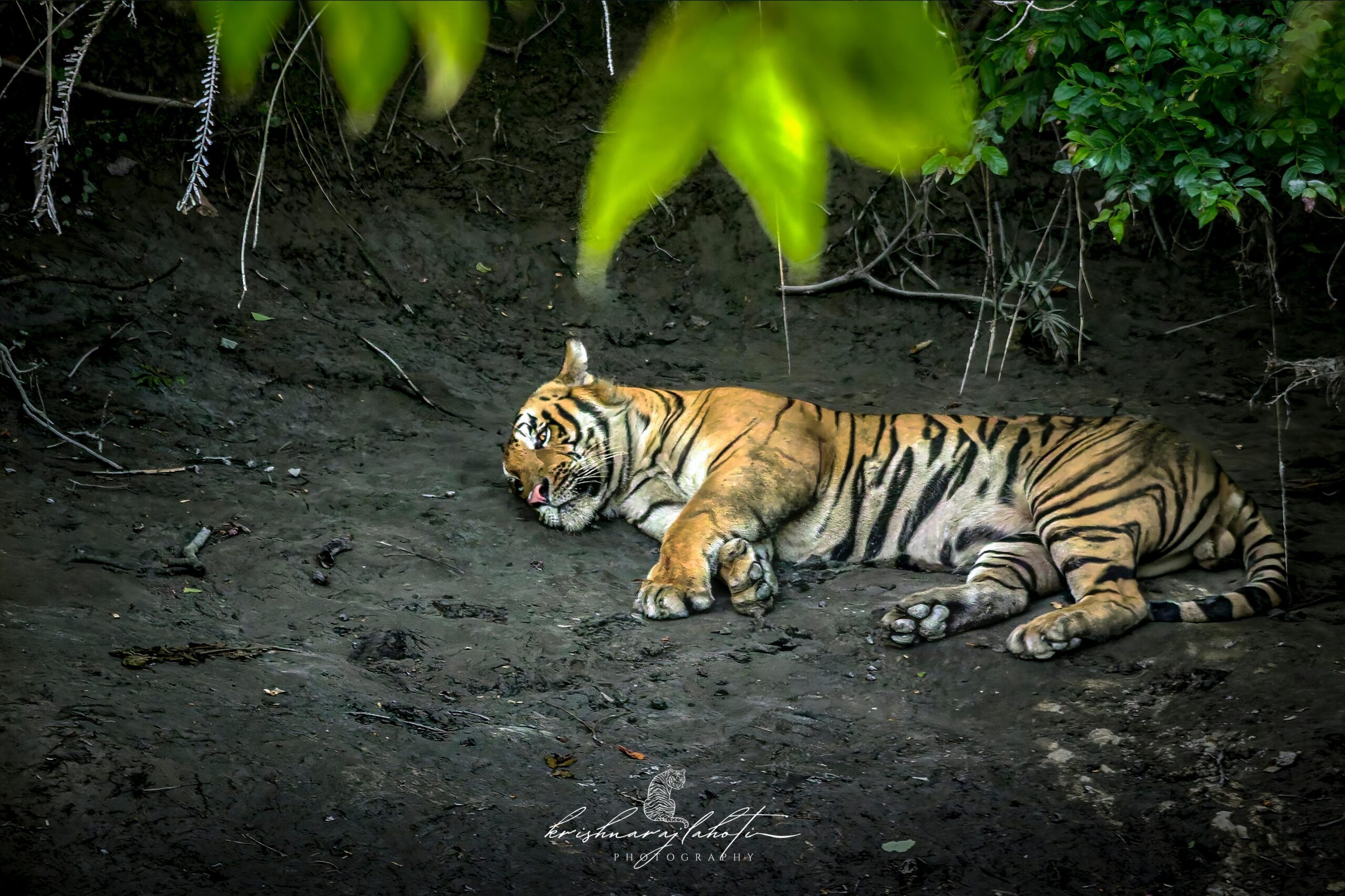
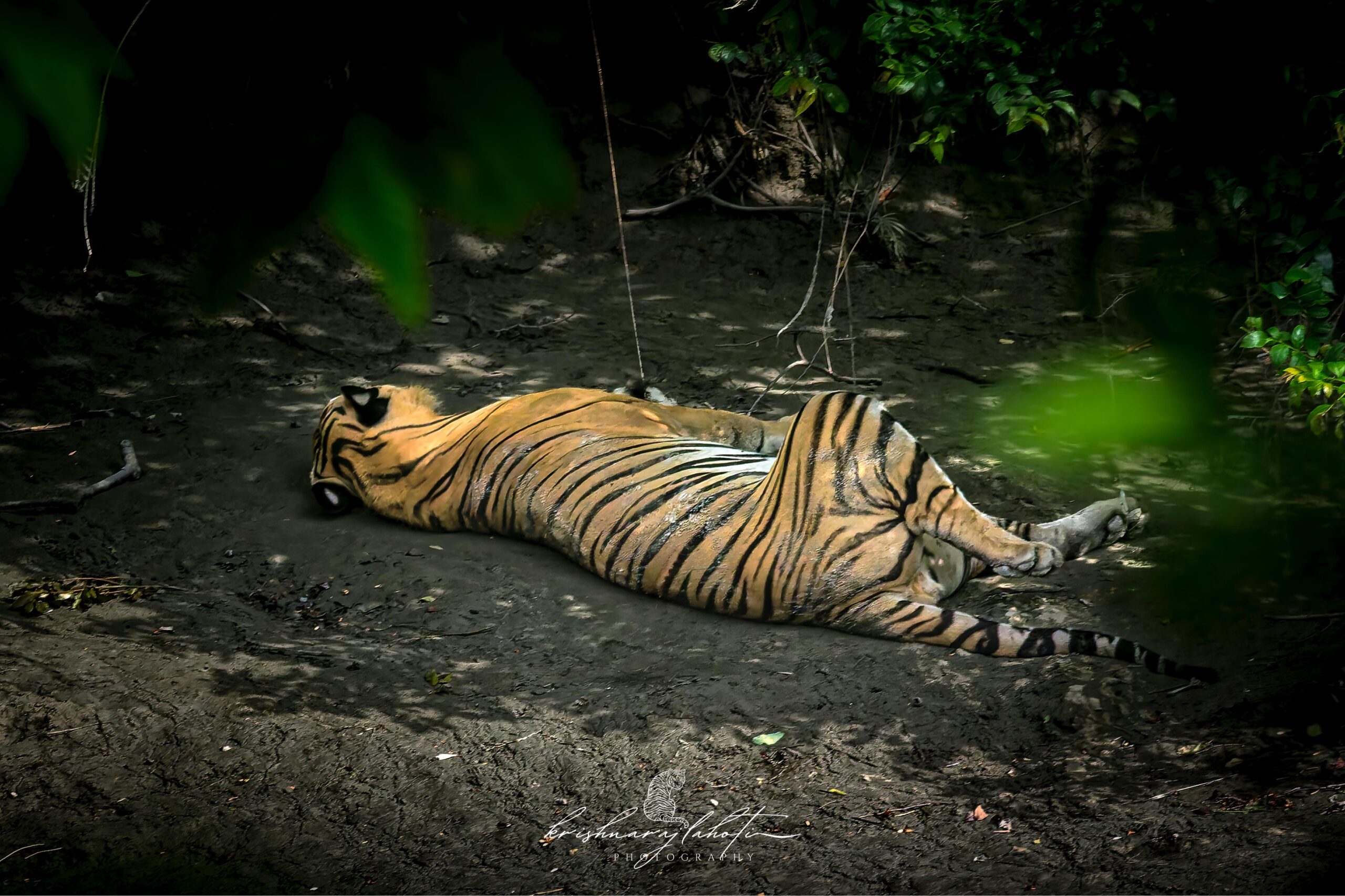
Over the next two days, we embarked on three thrilling safaris. Our first was on May 29, where we spotted the elusive tigress Scissor. Though she was a bit distant, watching her in the wild was an electrifying experience that lasted 10–15 minutes. The park’s lush forests, winding rivers, and diverse wildlife made every safari unforgettable. We saw mighty tuskers, rhinos, and a variety of bird species that paint the Terai landscape with life and color.
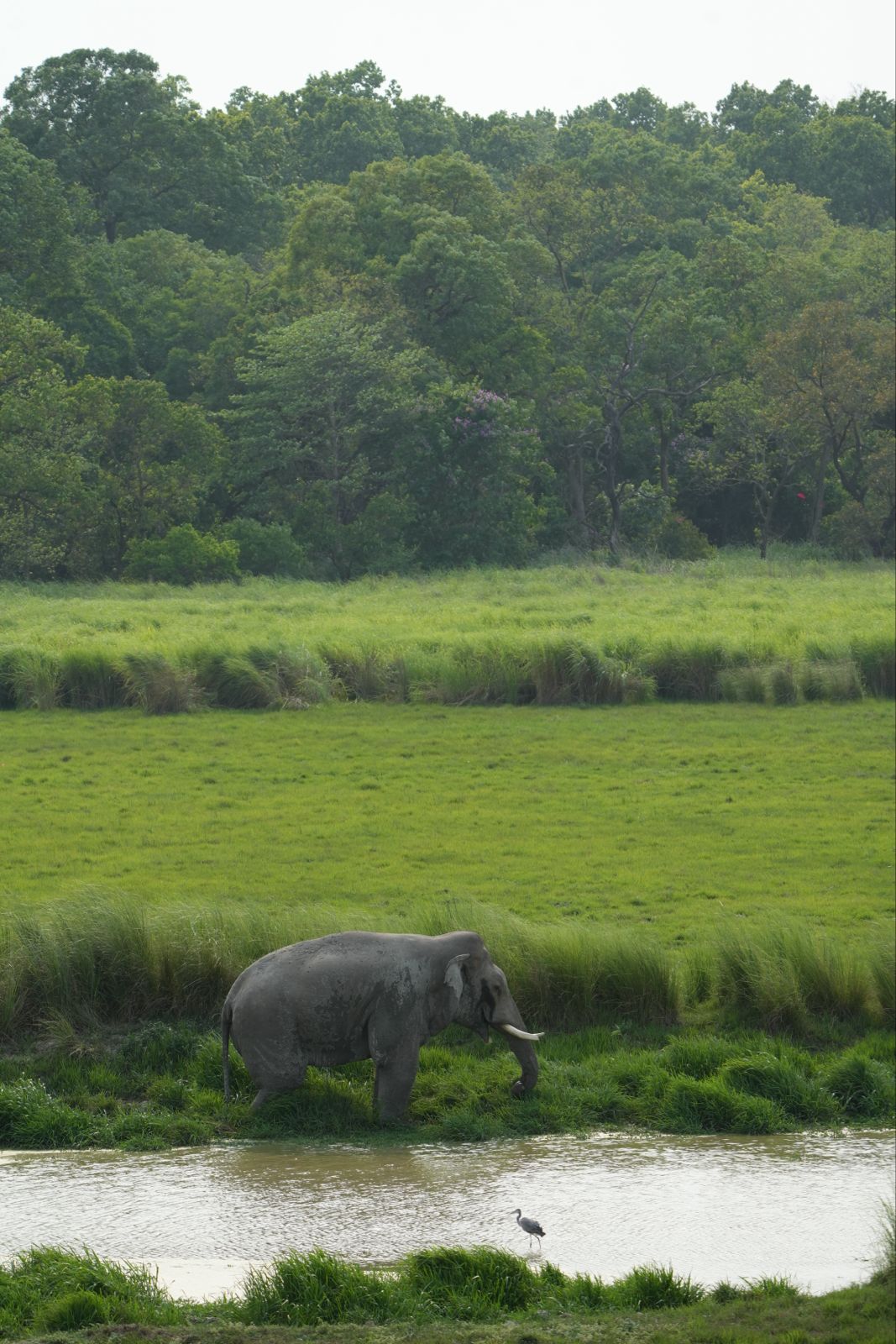
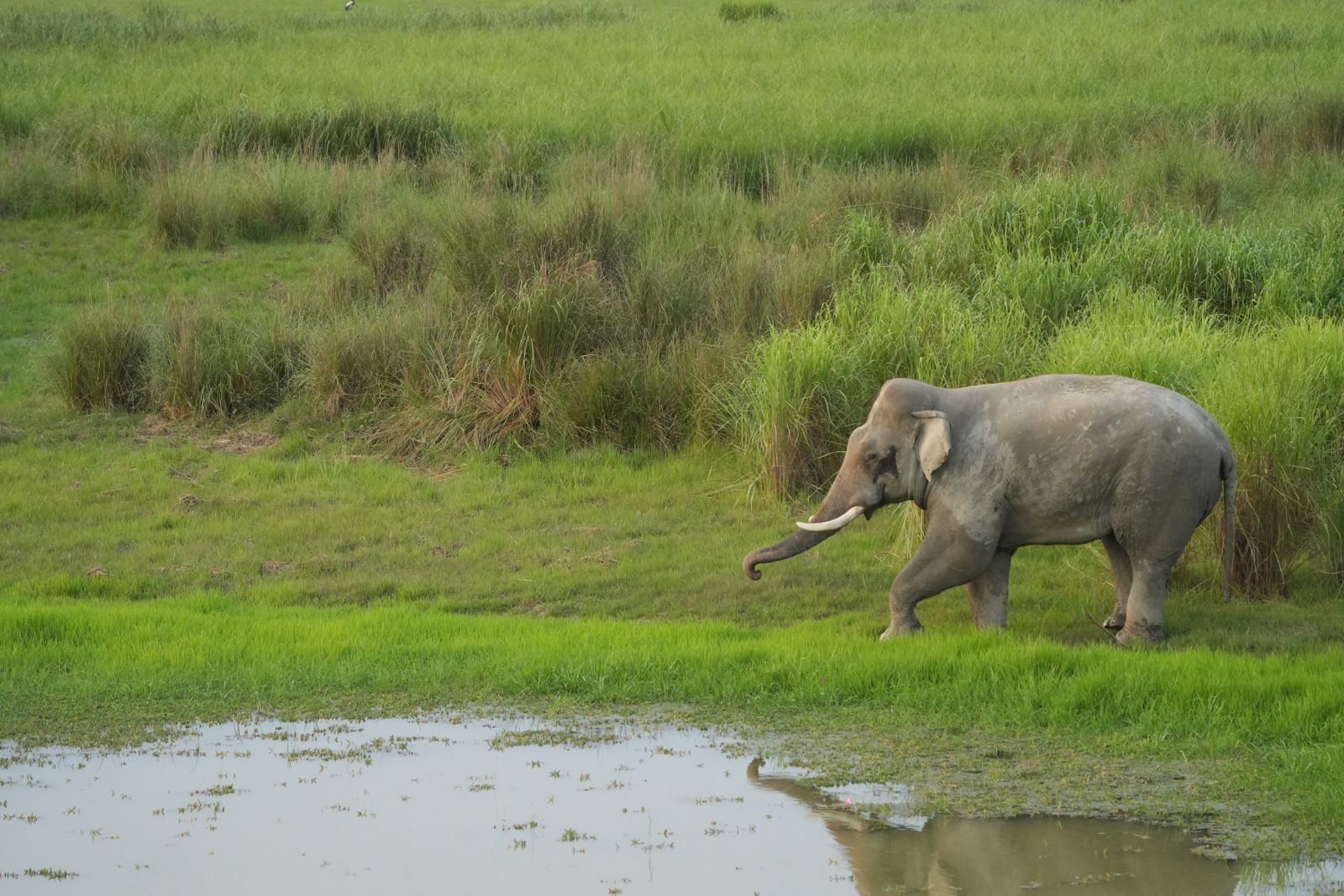
Majestic Tuskers of Dudhwa:
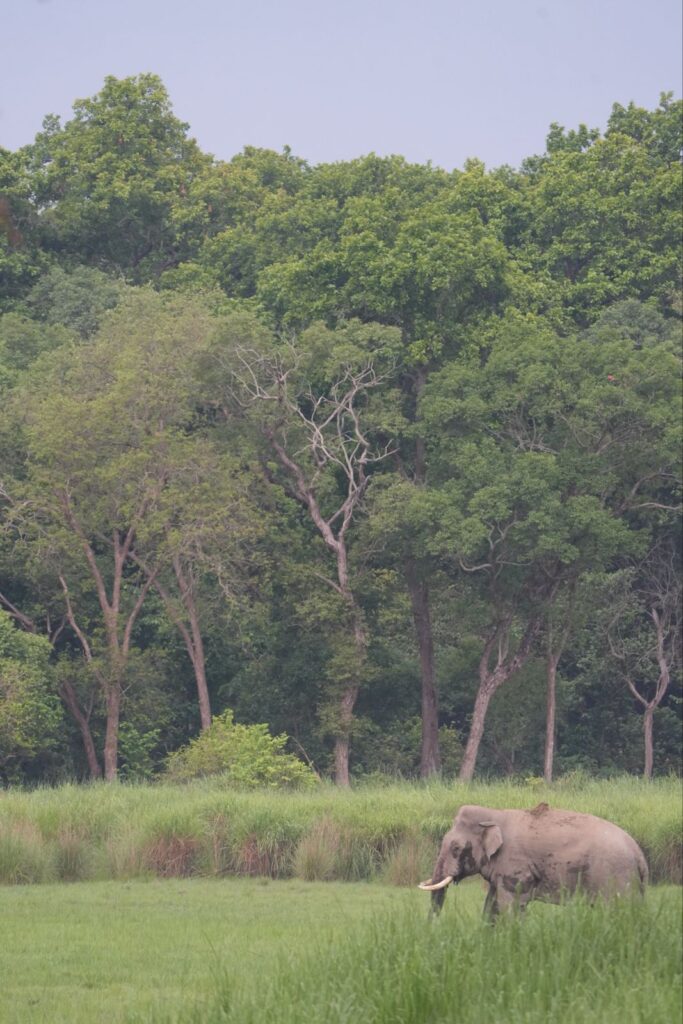
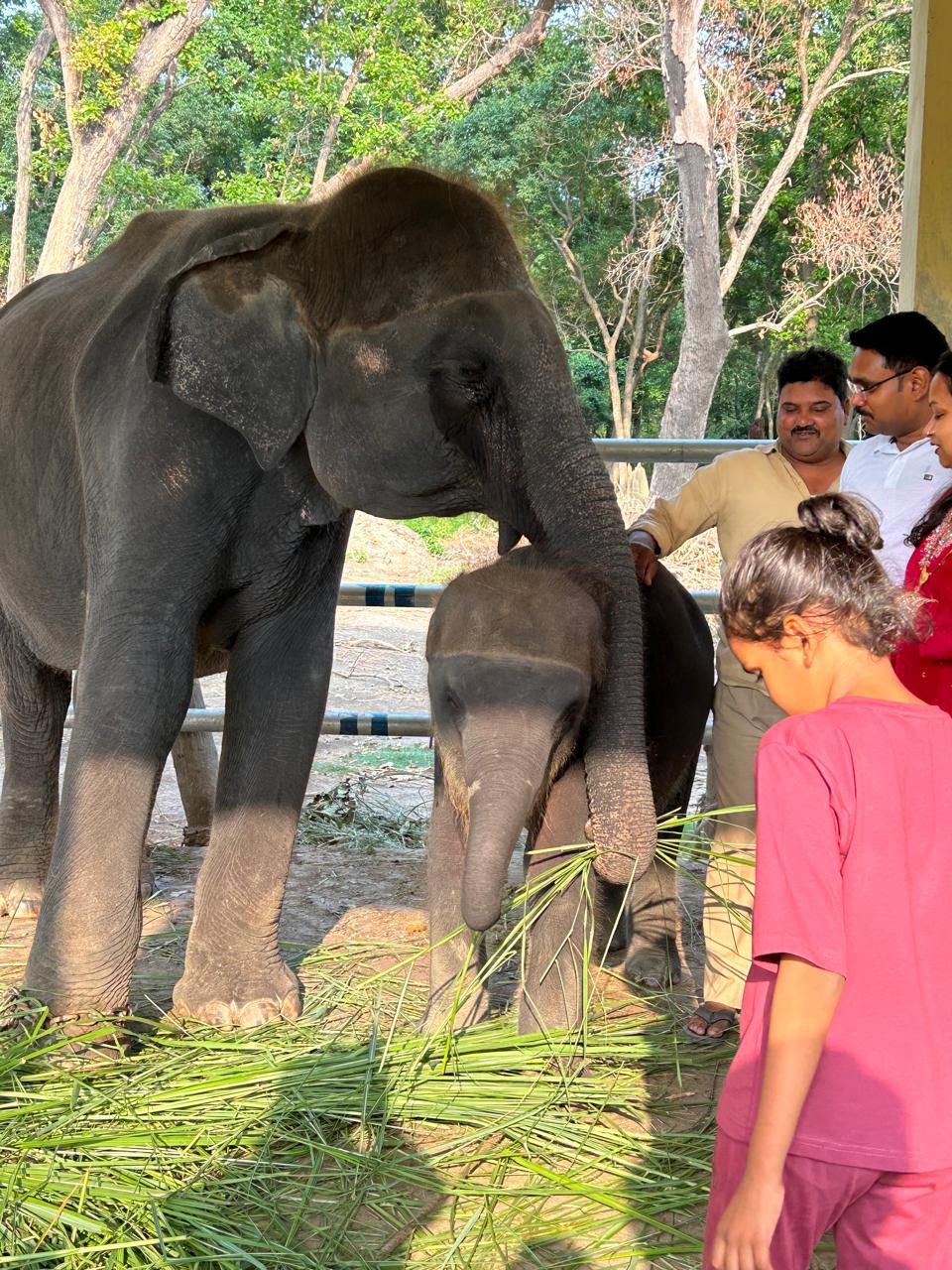
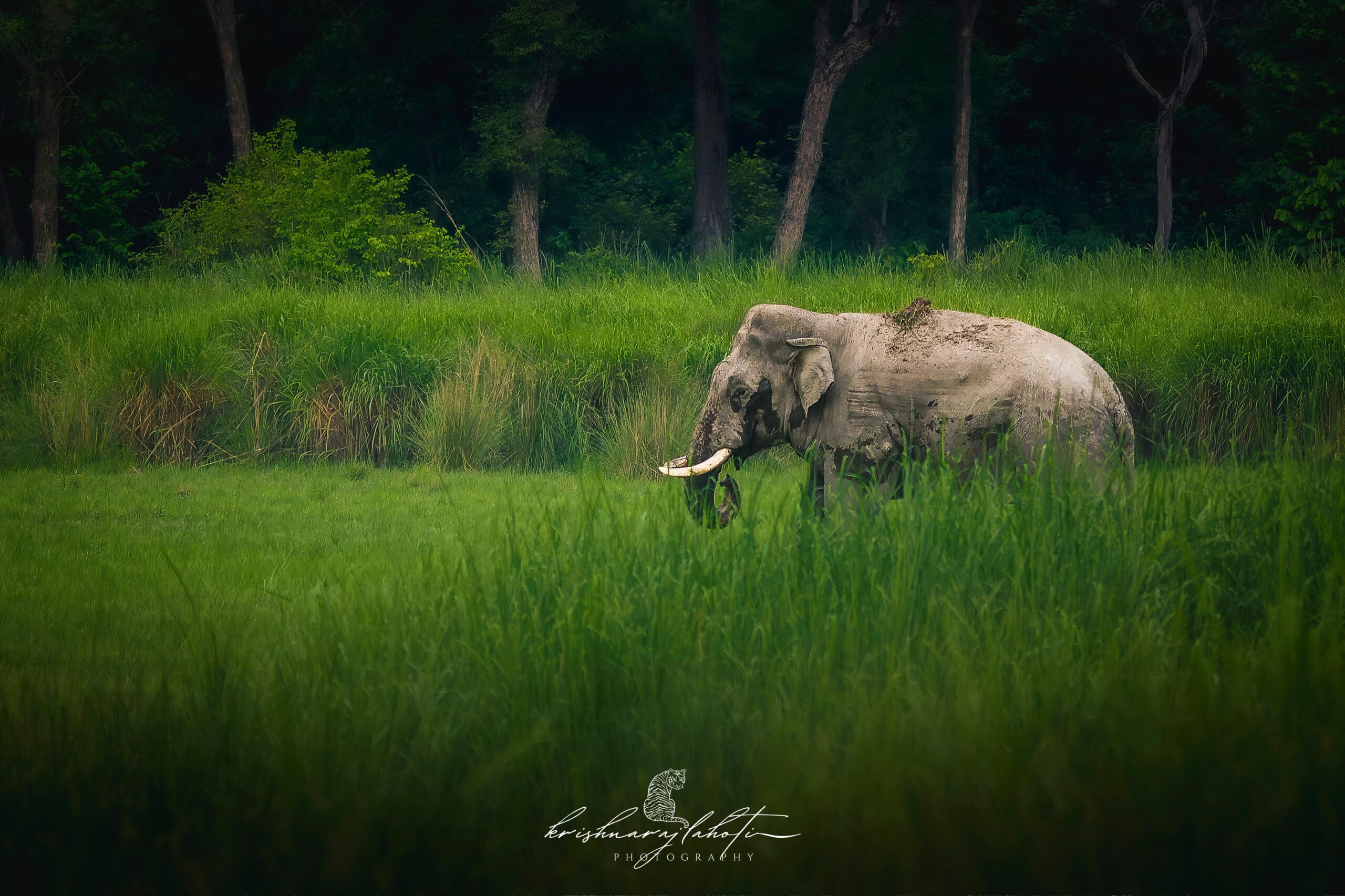
During our safaris in Dudhwa, we were lucky to see magnificent tuskers—massive adult elephants moving gracefully through the forest. Watching them bathe in waterholes or roam with their herds was a breathtaking sight. Their gentle strength and calm presence left a lasting impression on us.
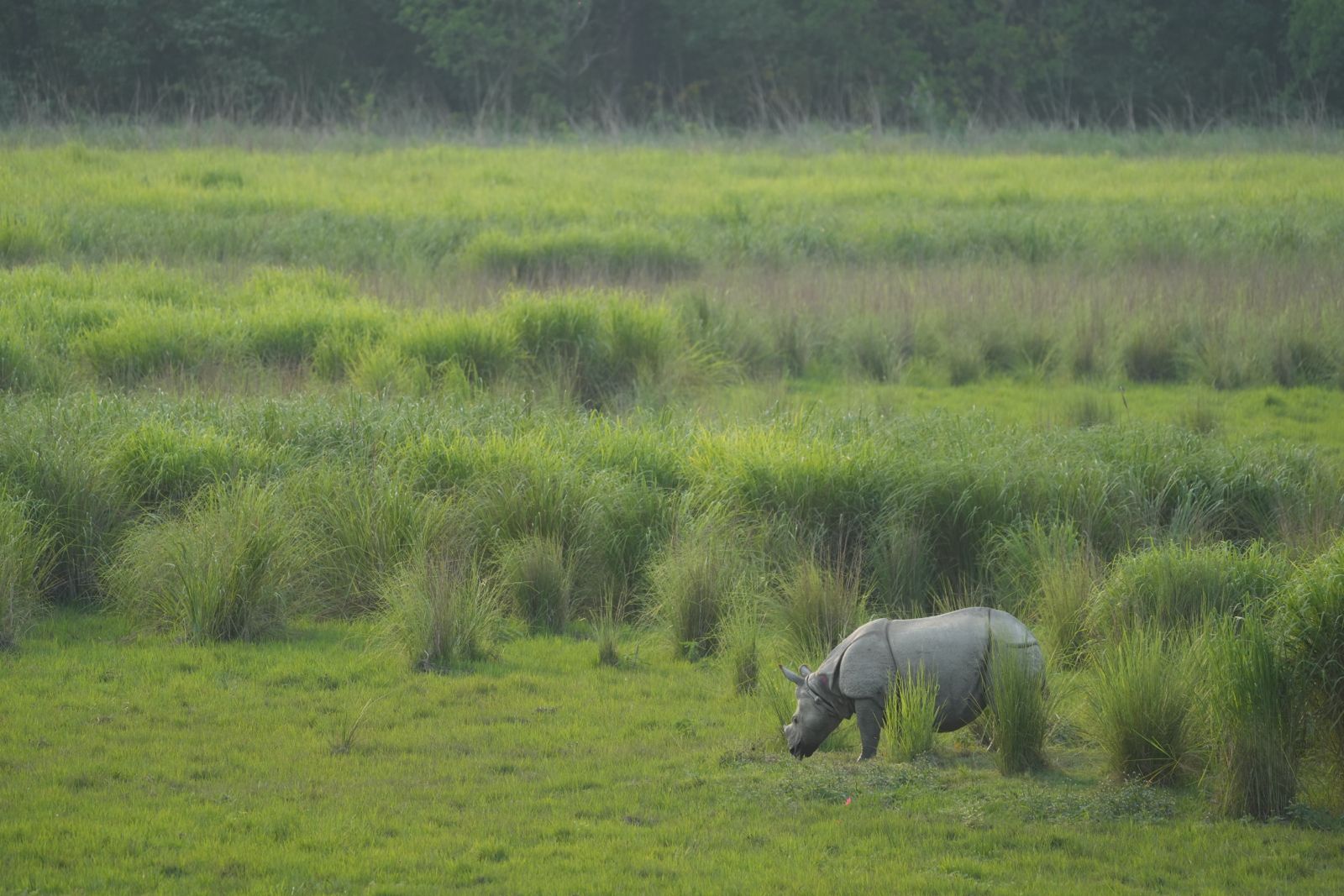
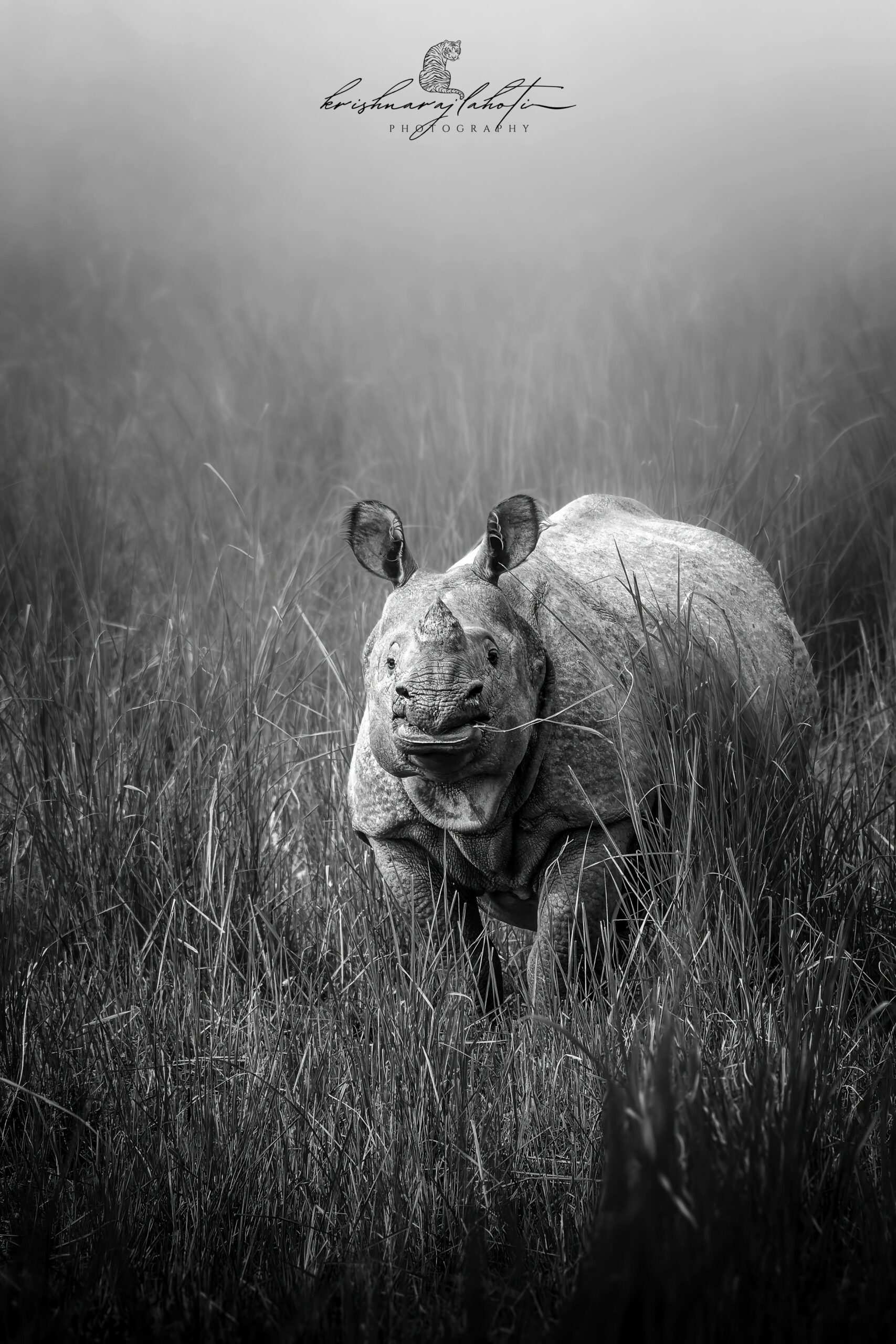
A Rare Sight: The One-Horned Rhino:
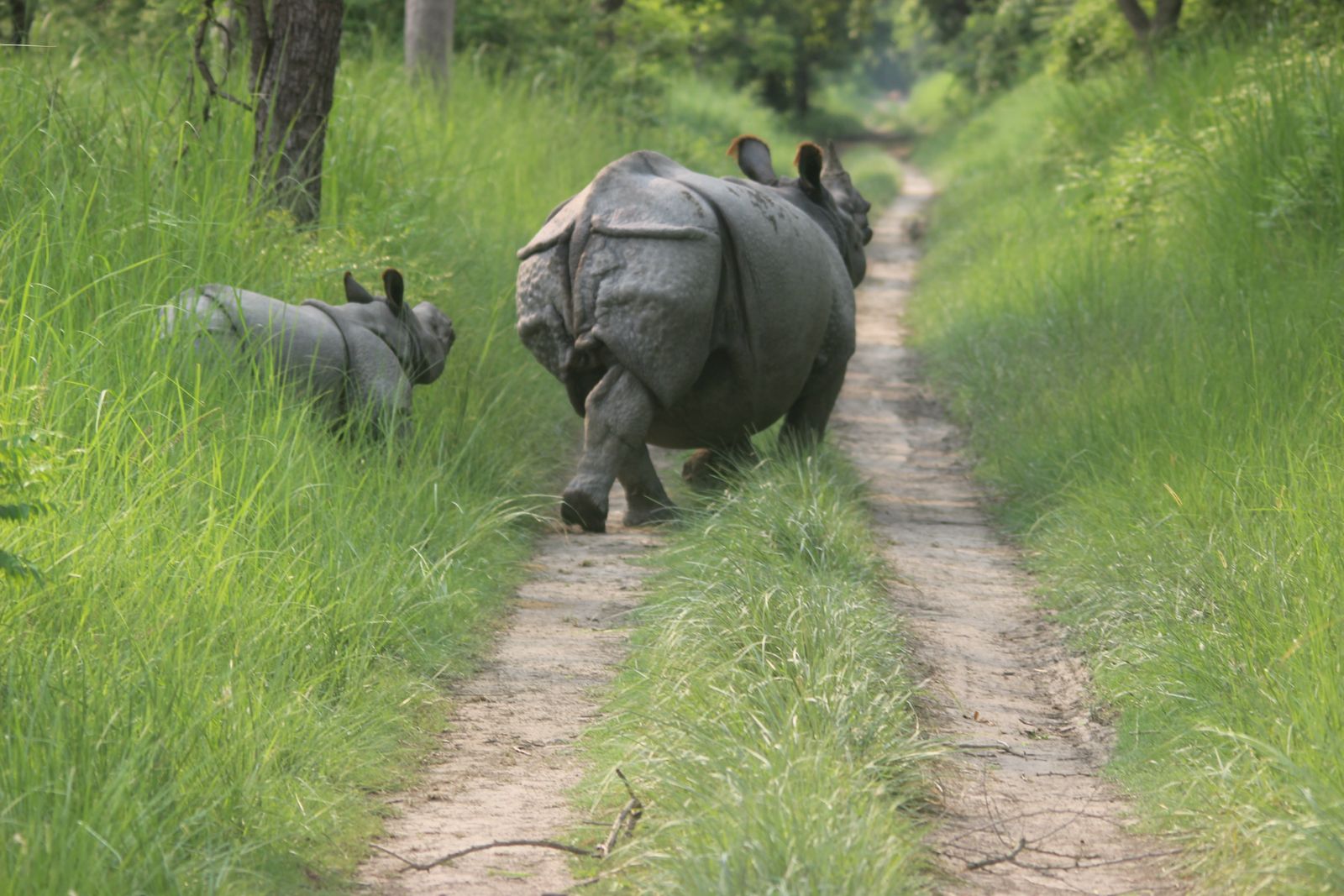
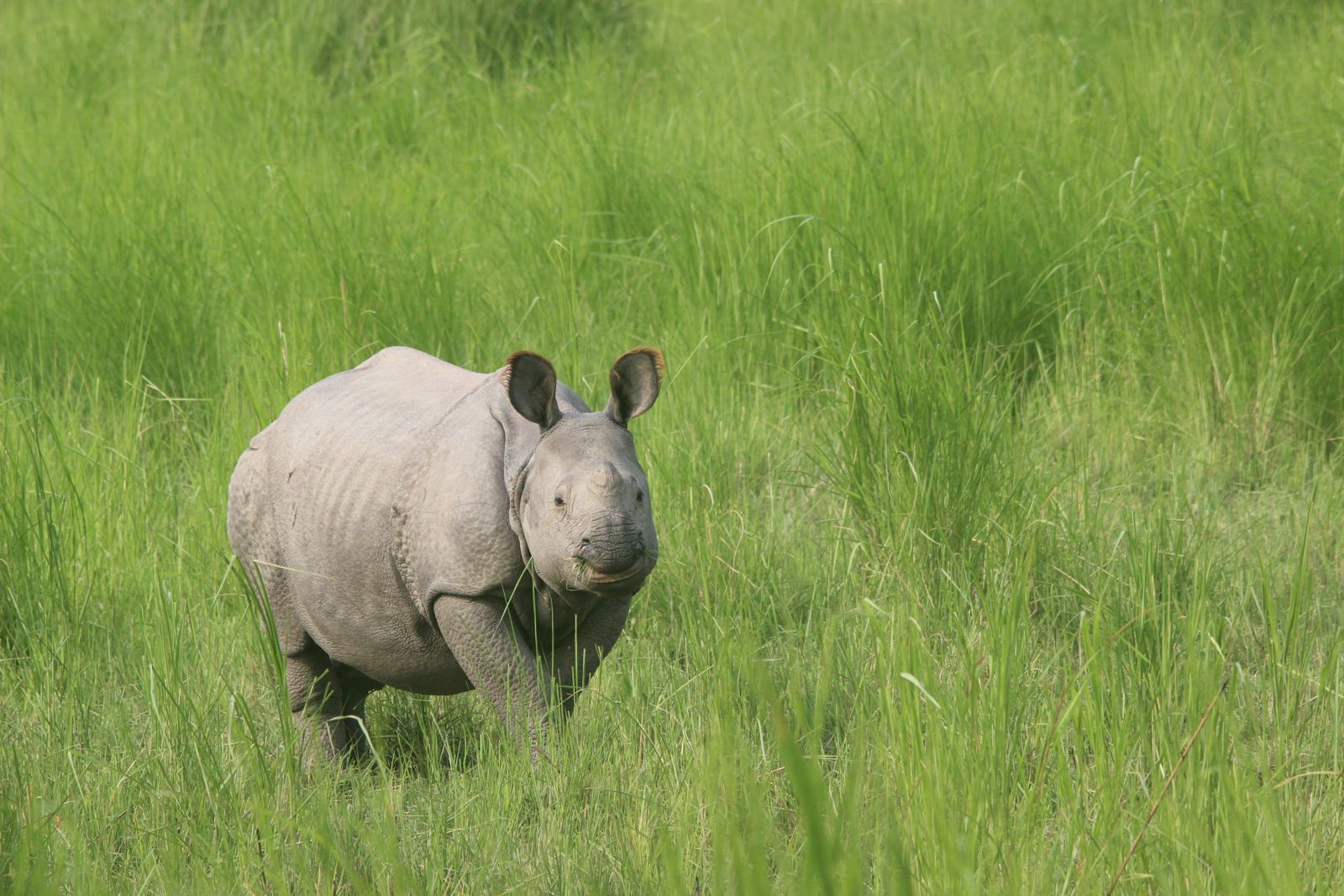
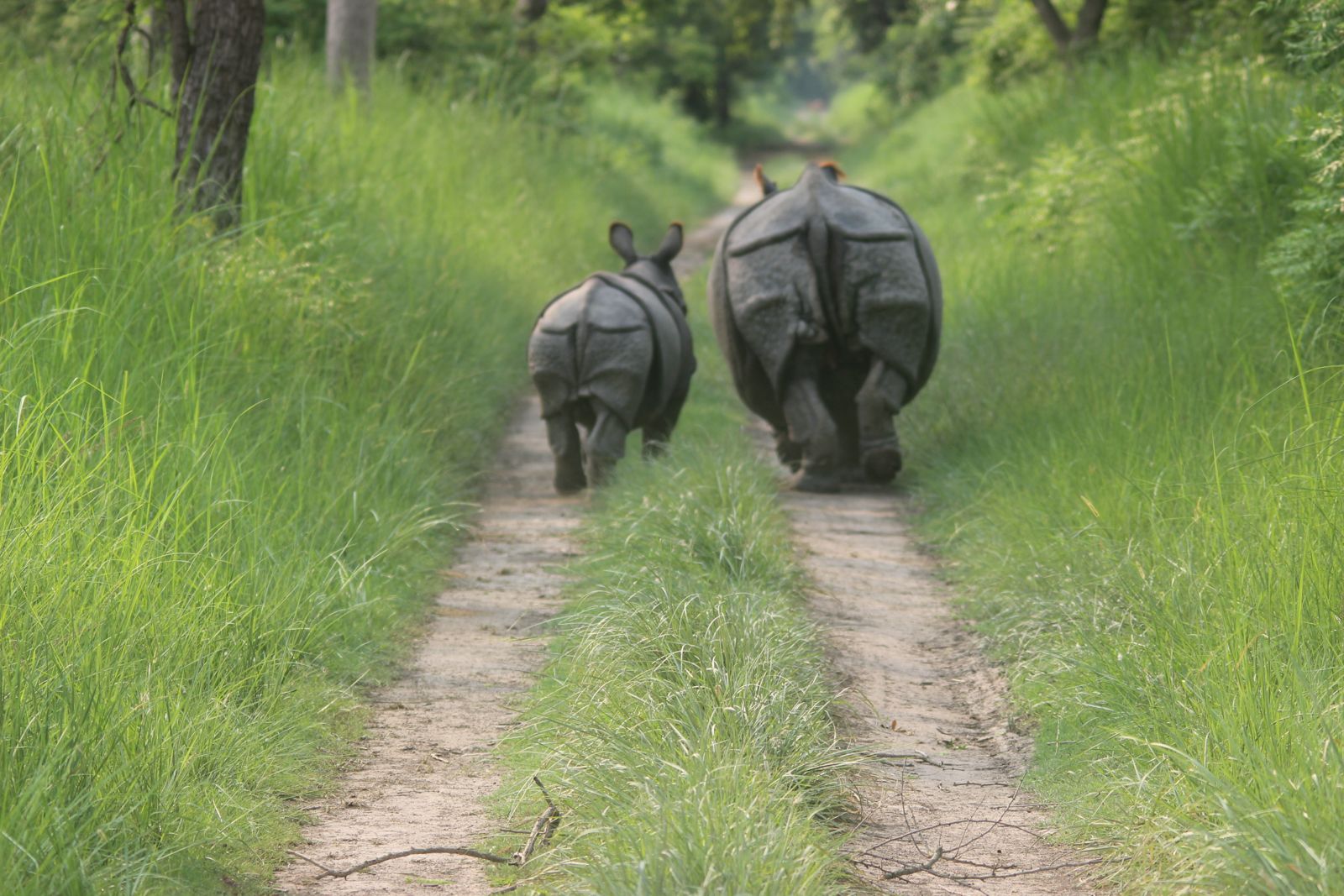
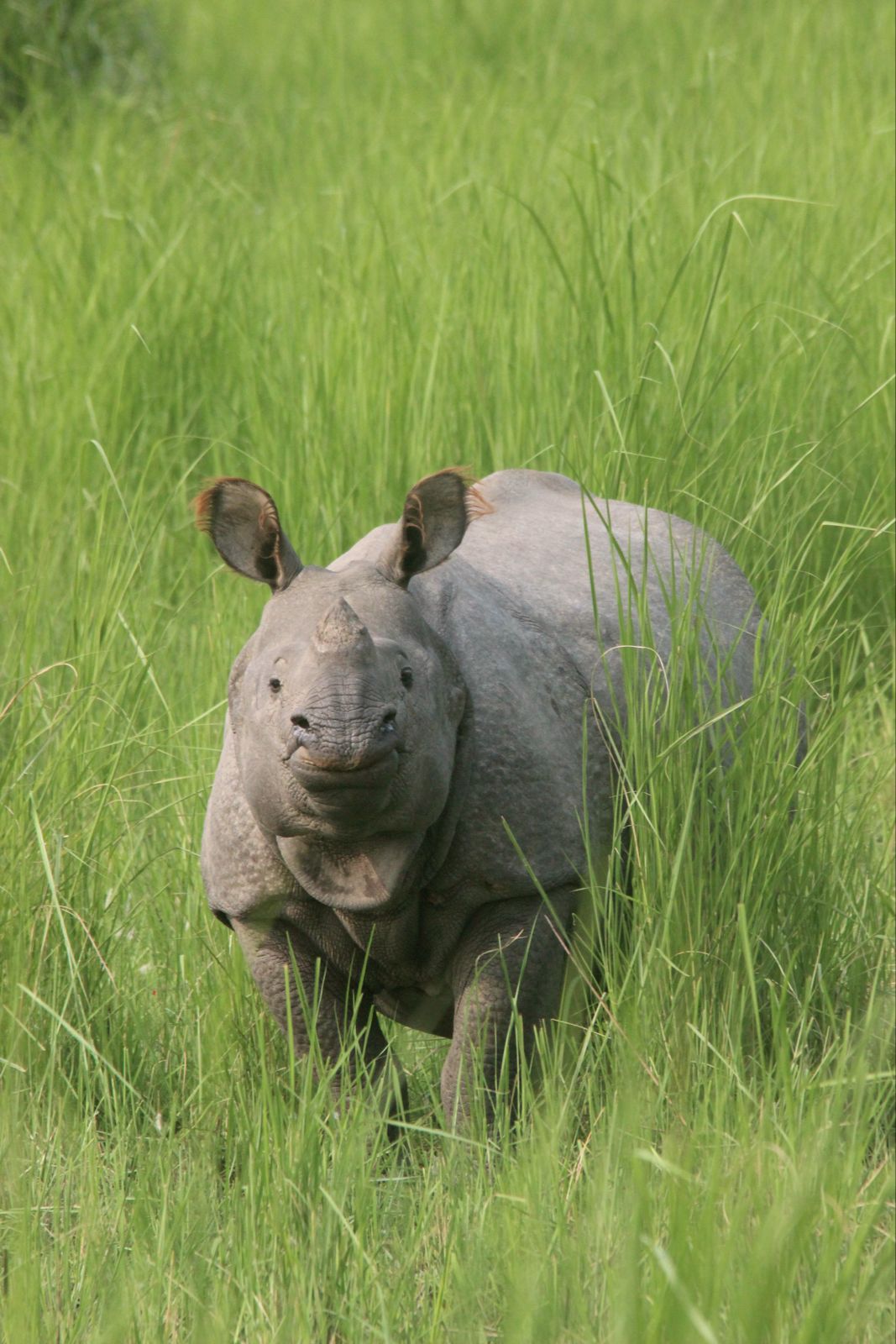
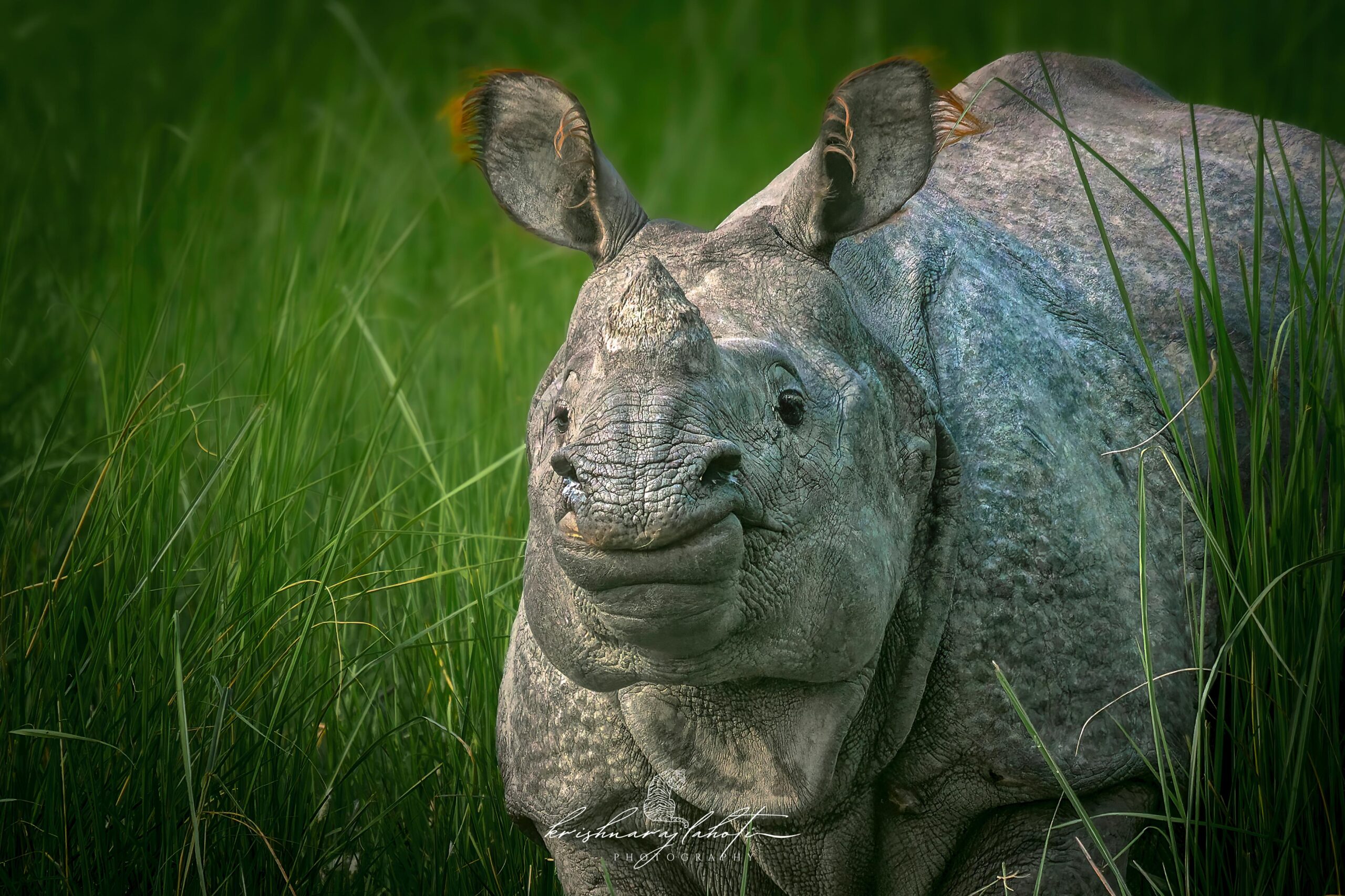
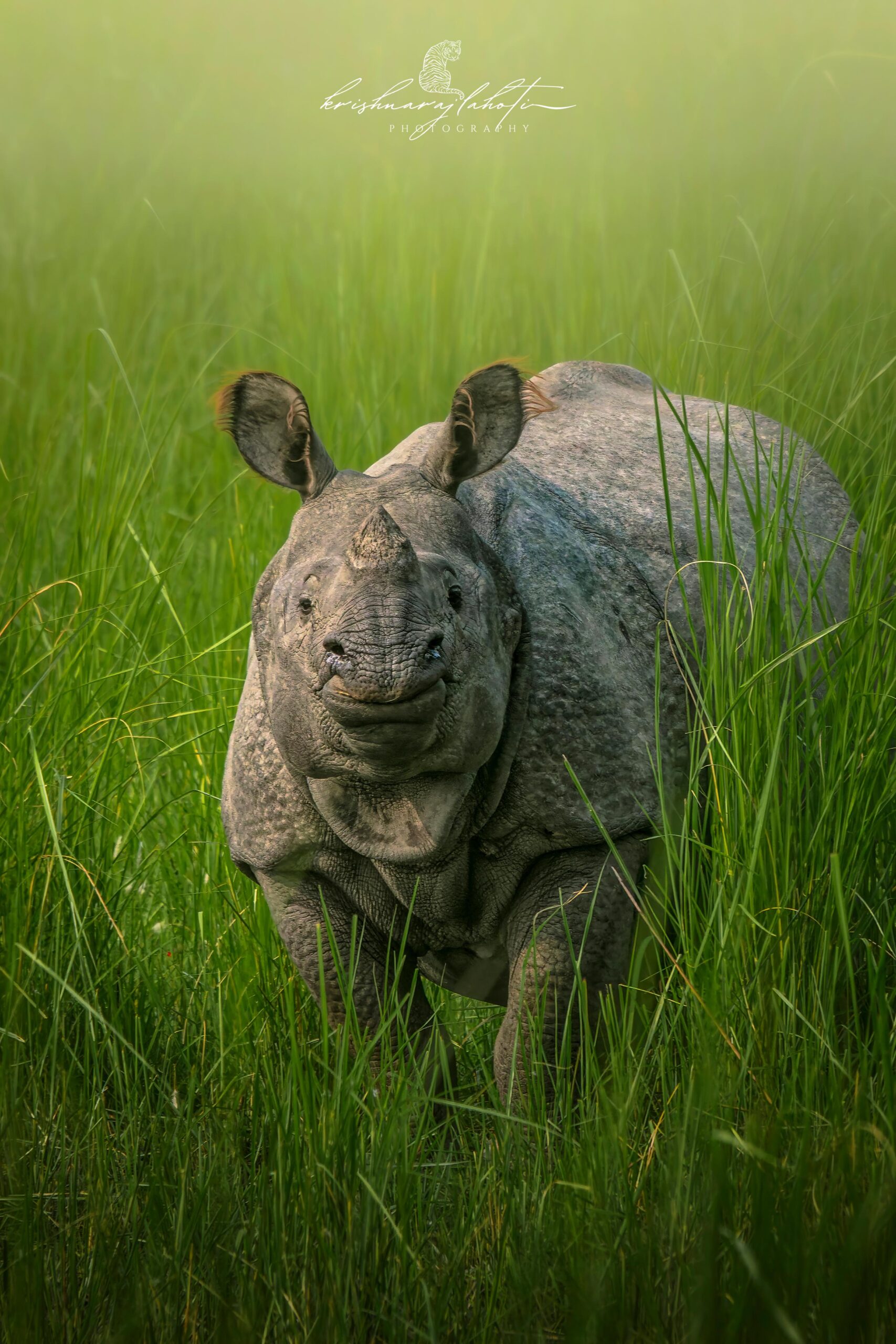
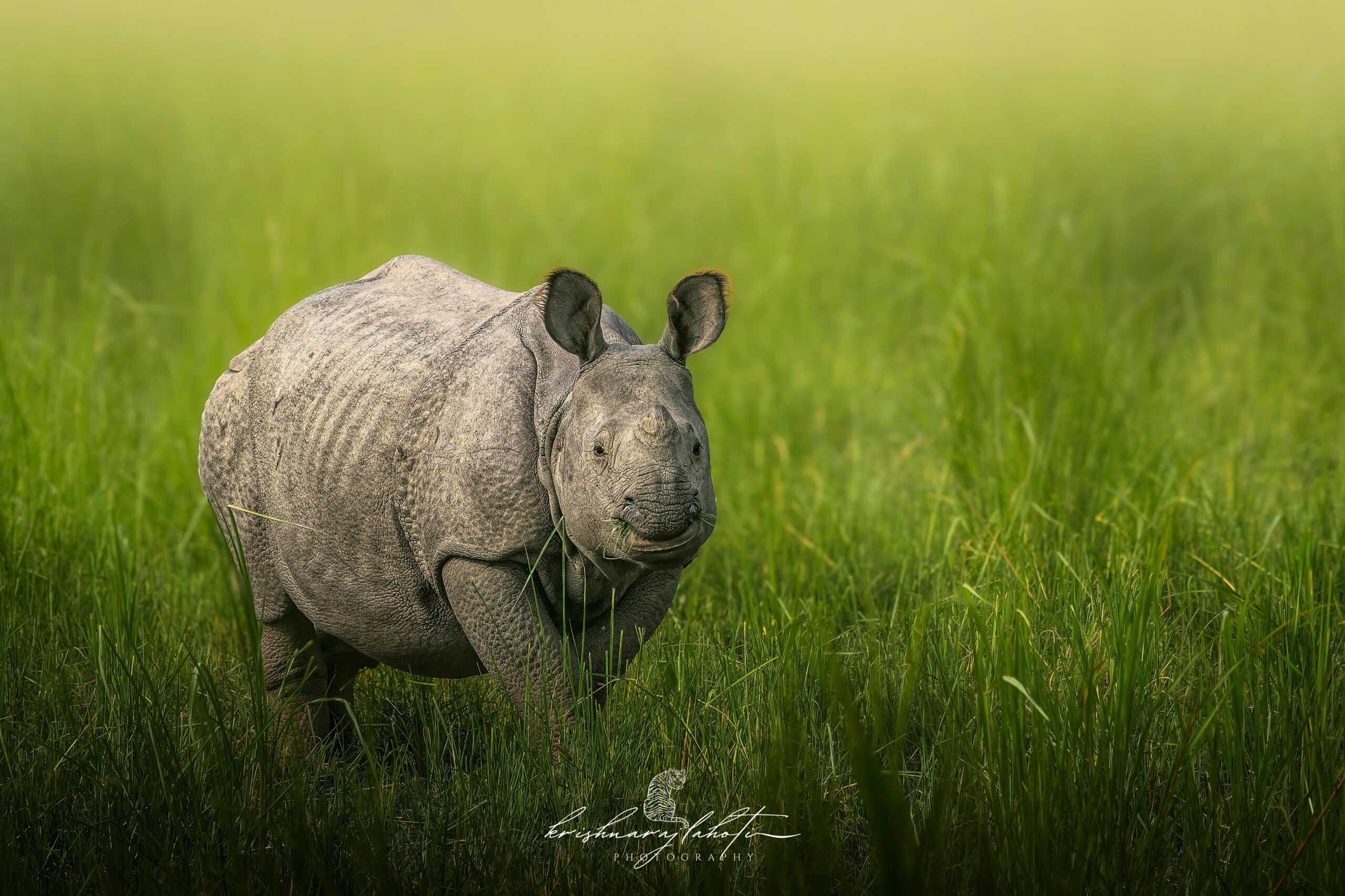
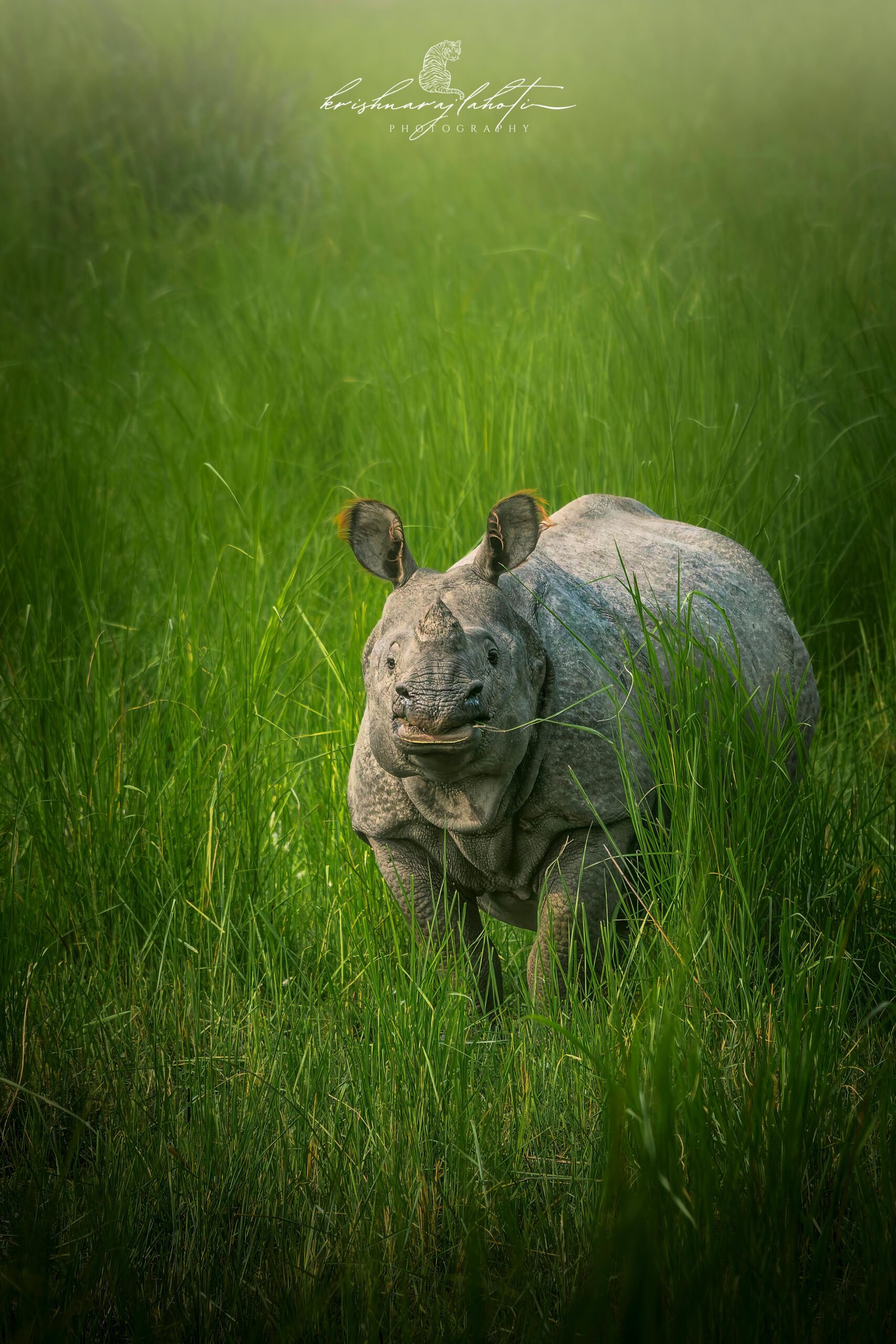
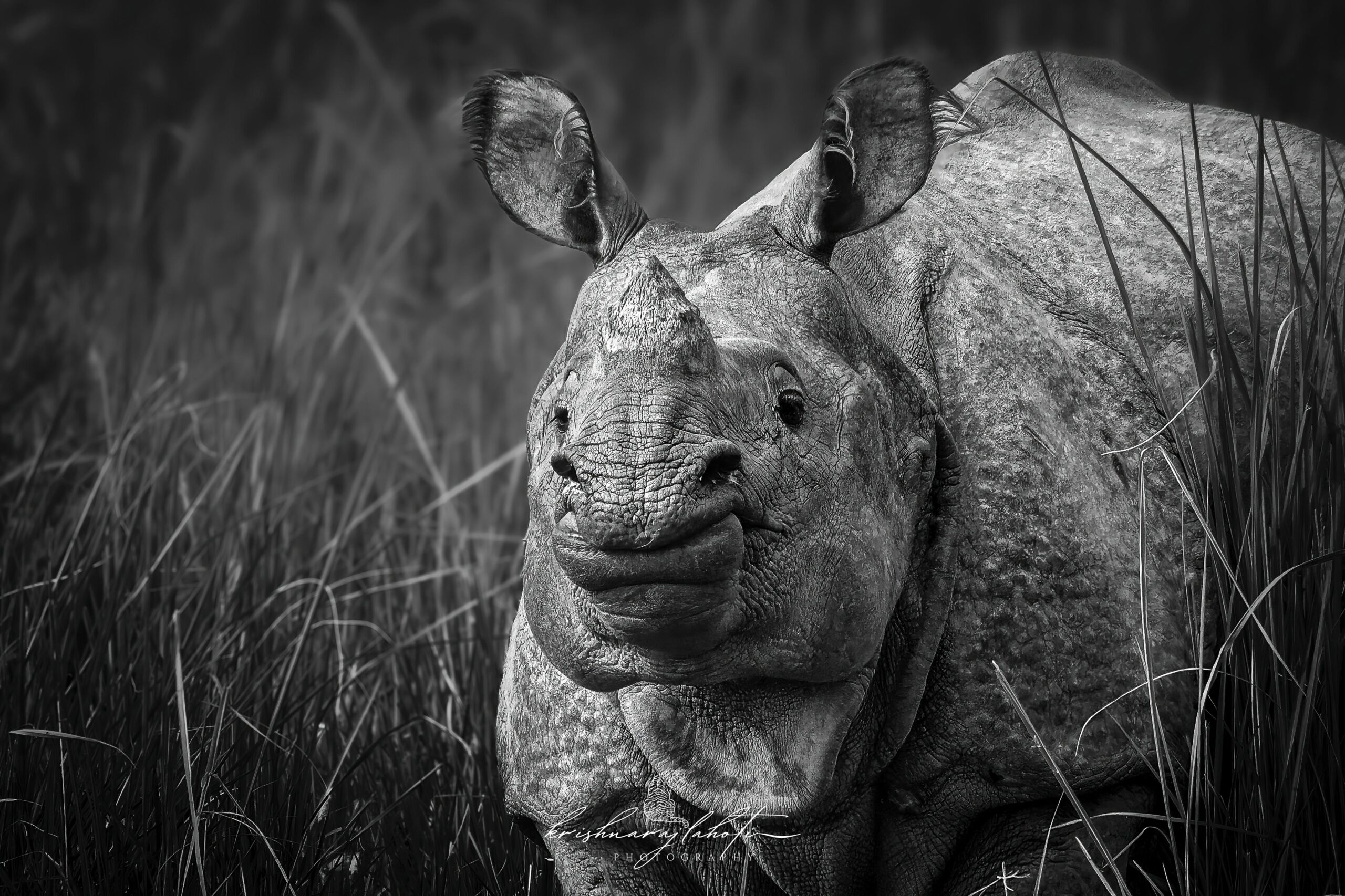
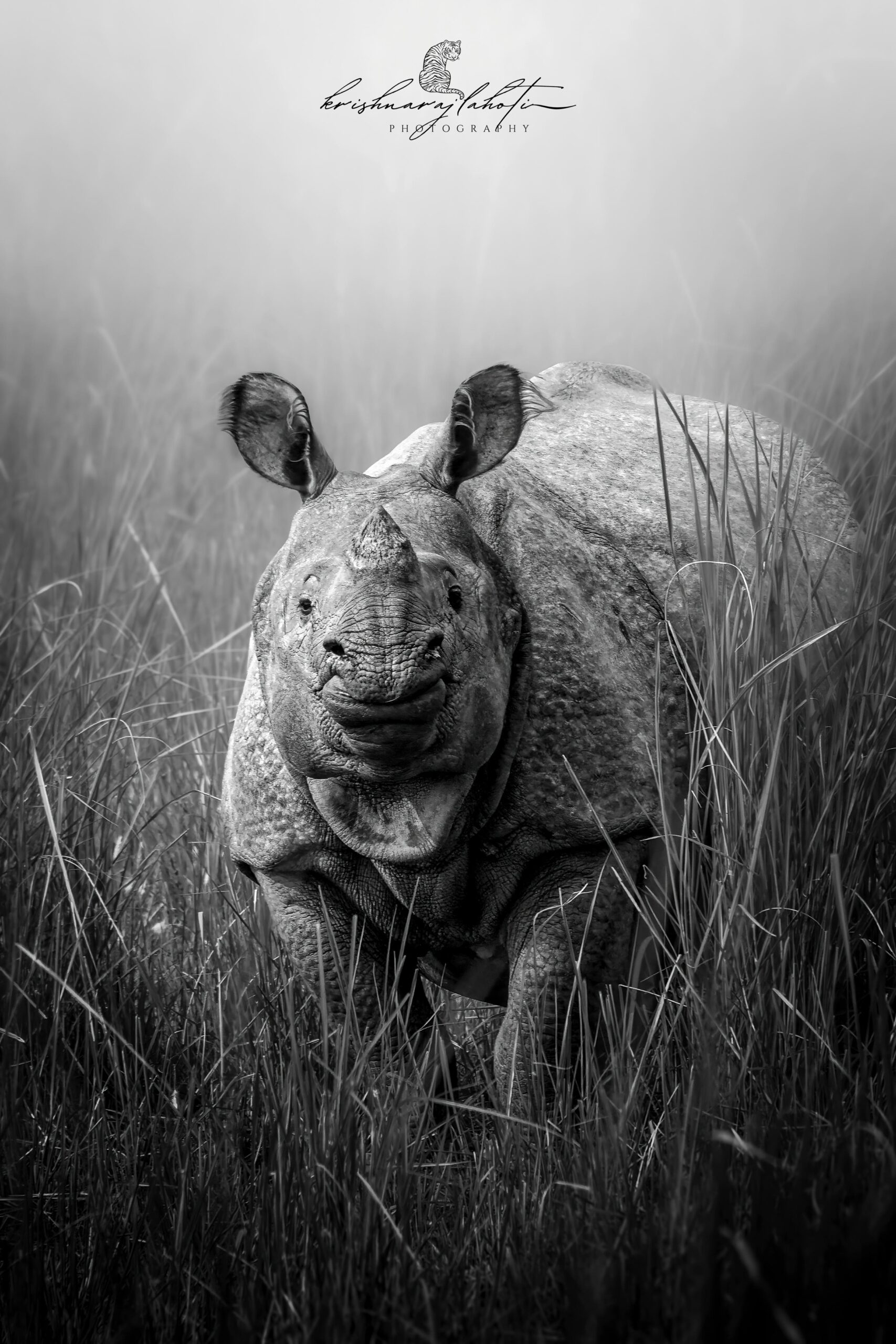
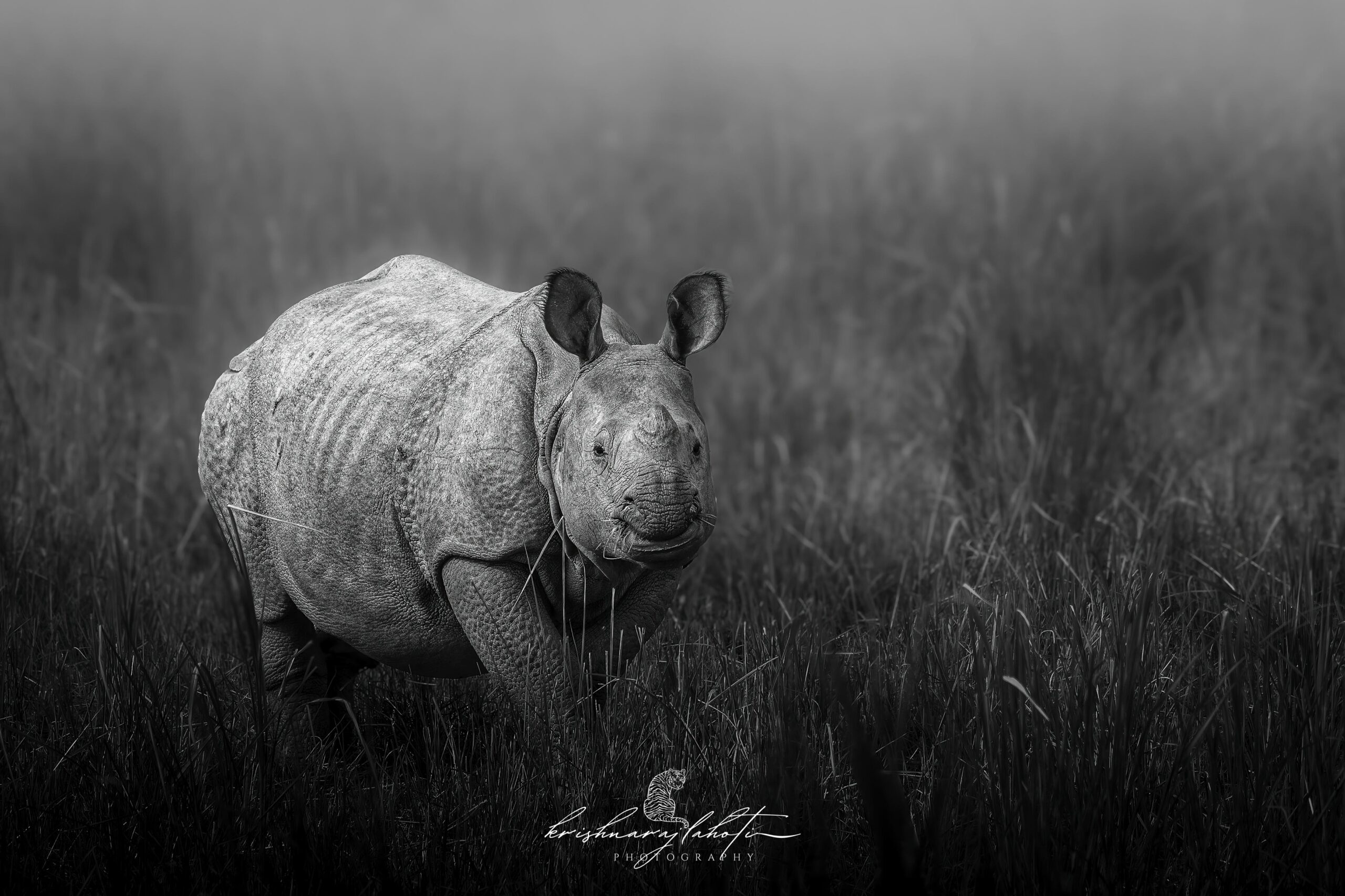
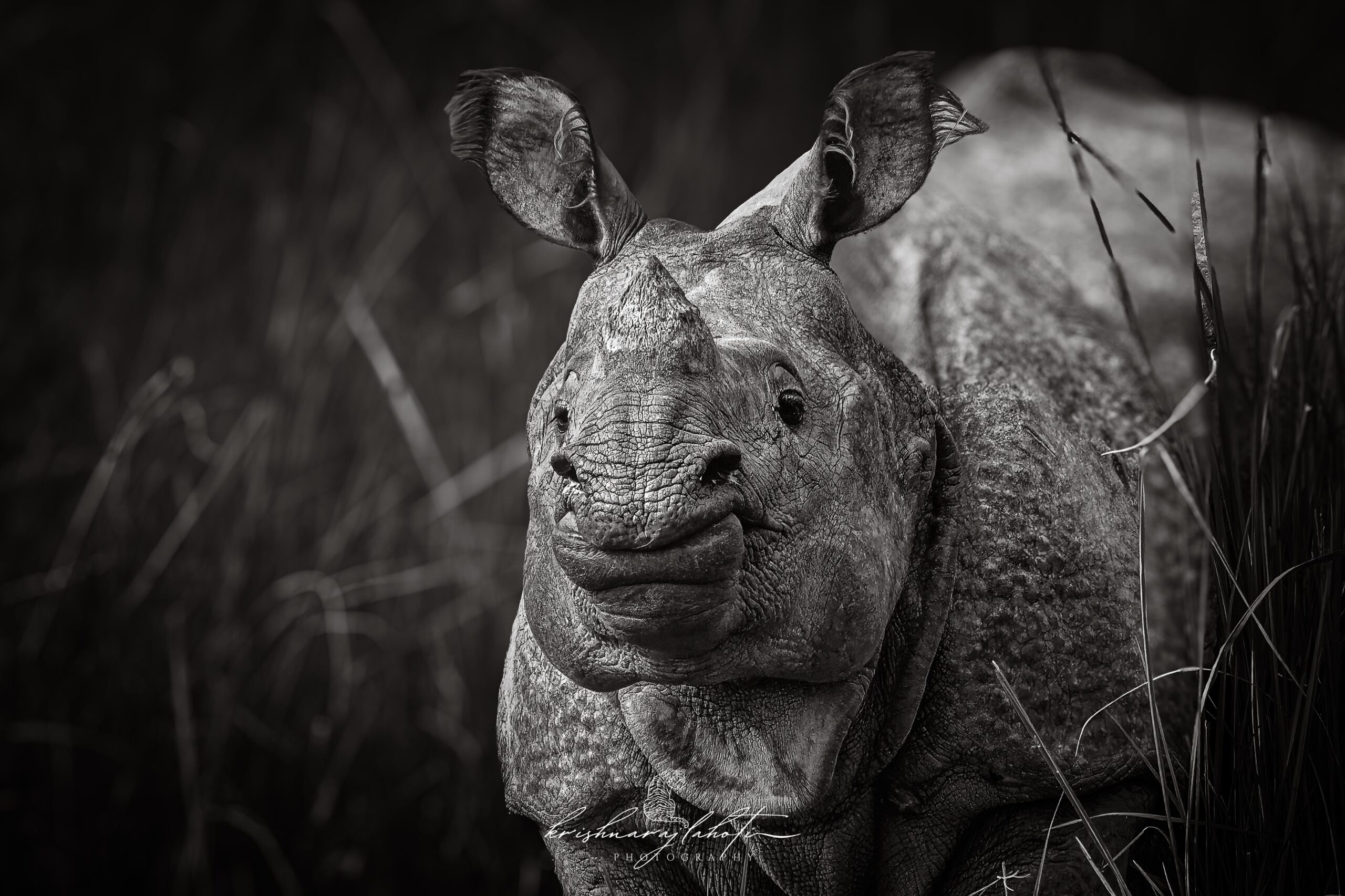
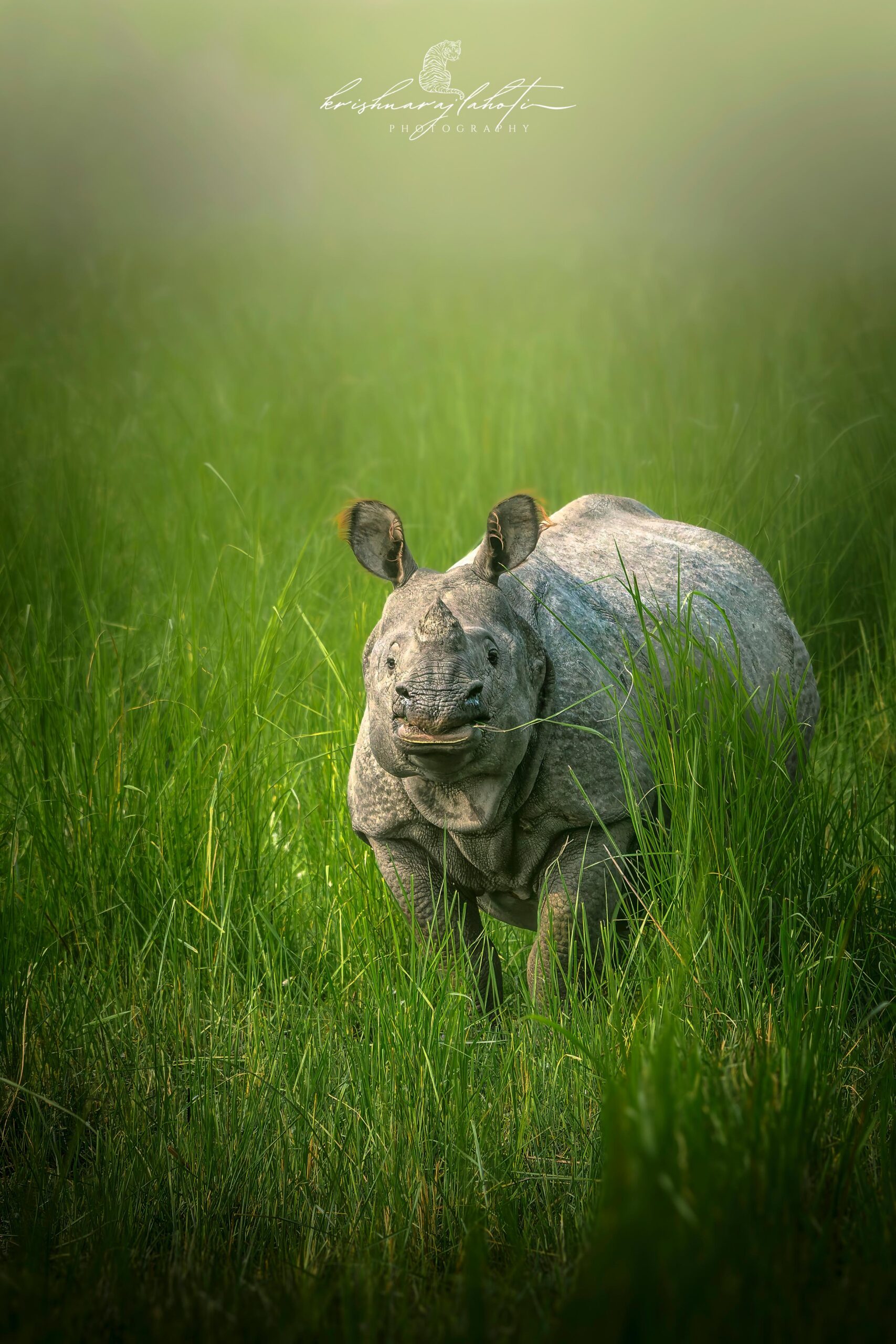
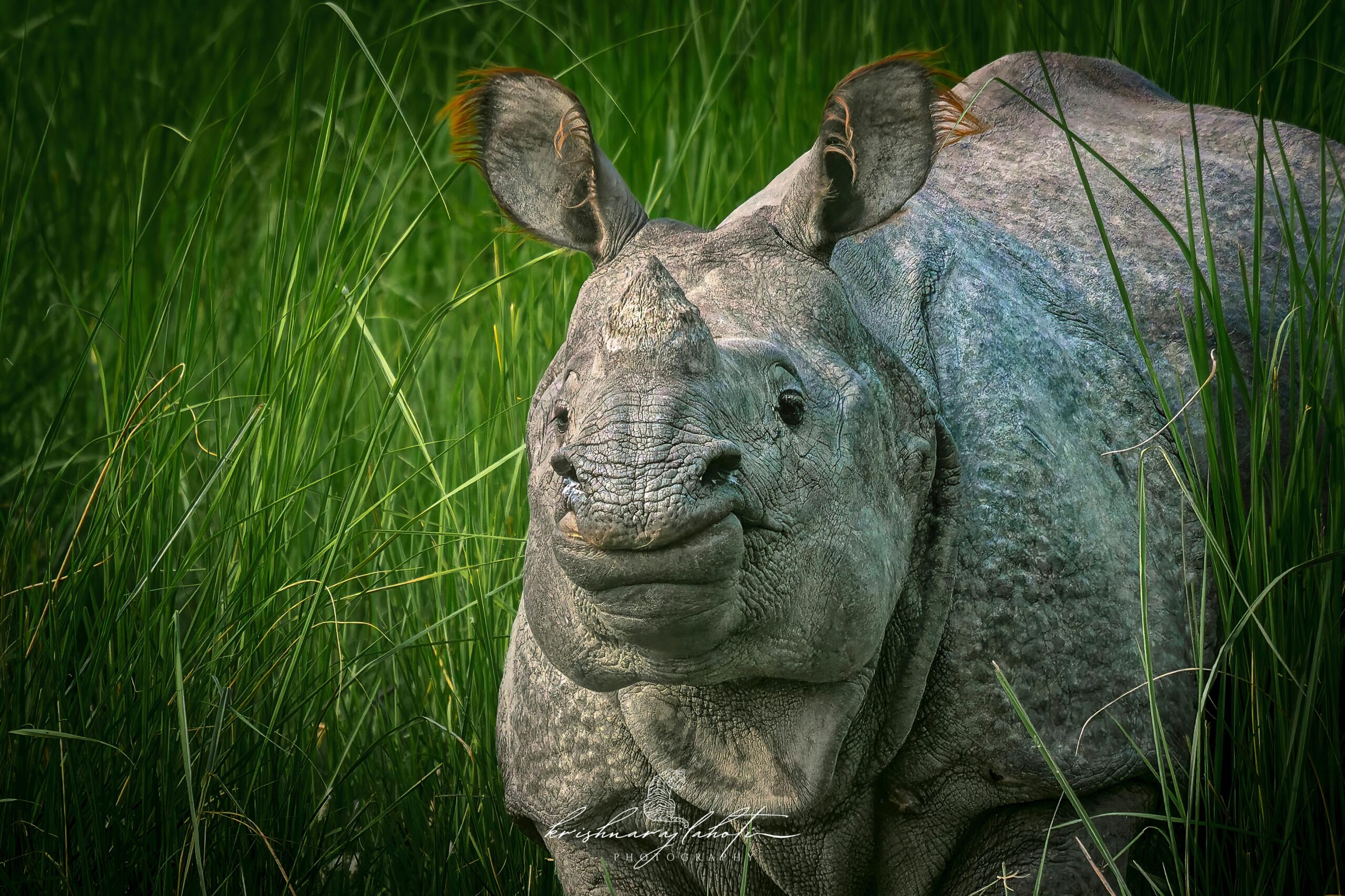
Equally unforgettable was spotting the endangered one-horned rhinoceros in the wild. Seeing these solitary giants grazing near the grasslands highlighted the fragility of their habitat and the importance of conservation. Their presence added a powerful sense of awe to our jungle adventure.
The Hidden Wonders of Dudhwa
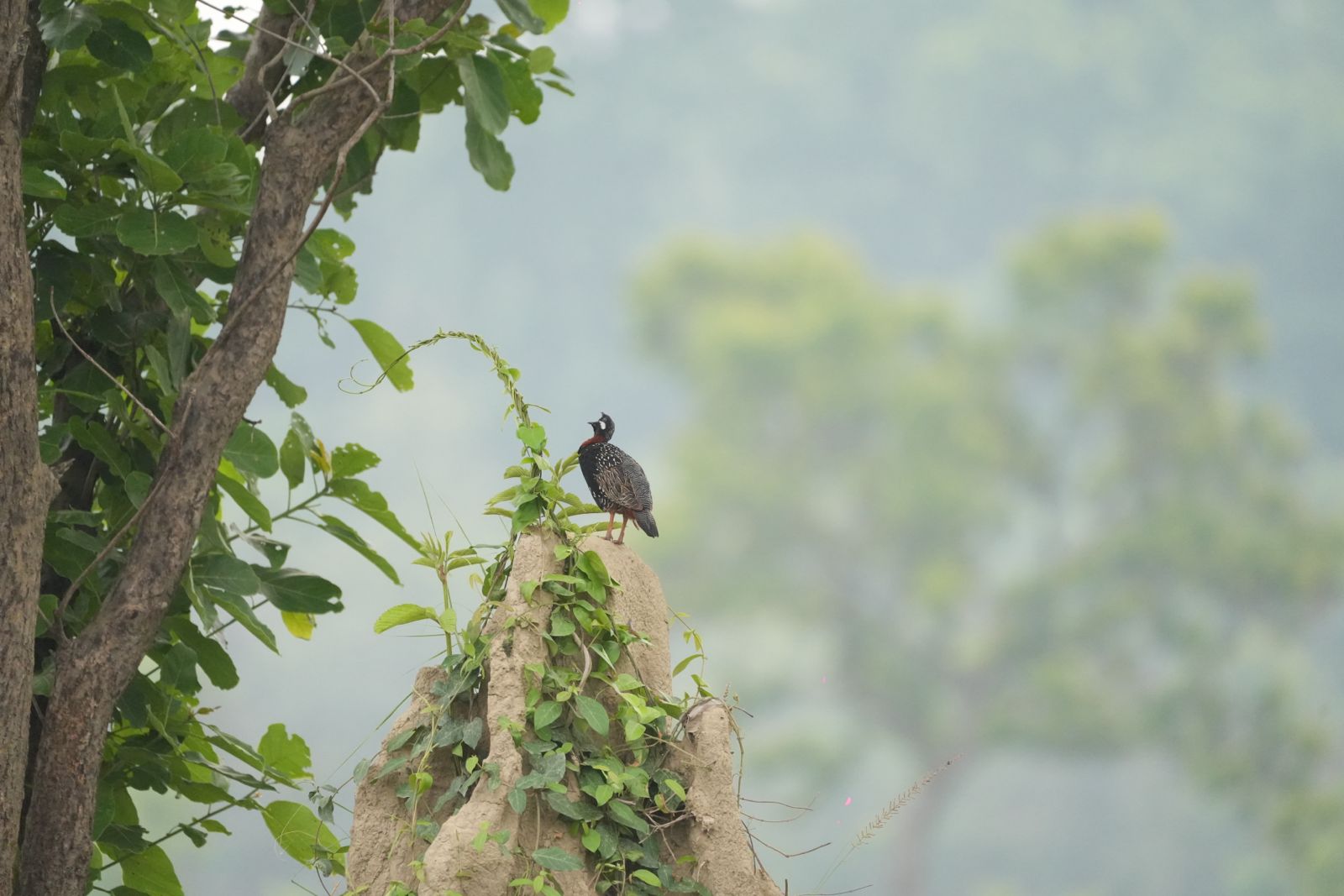
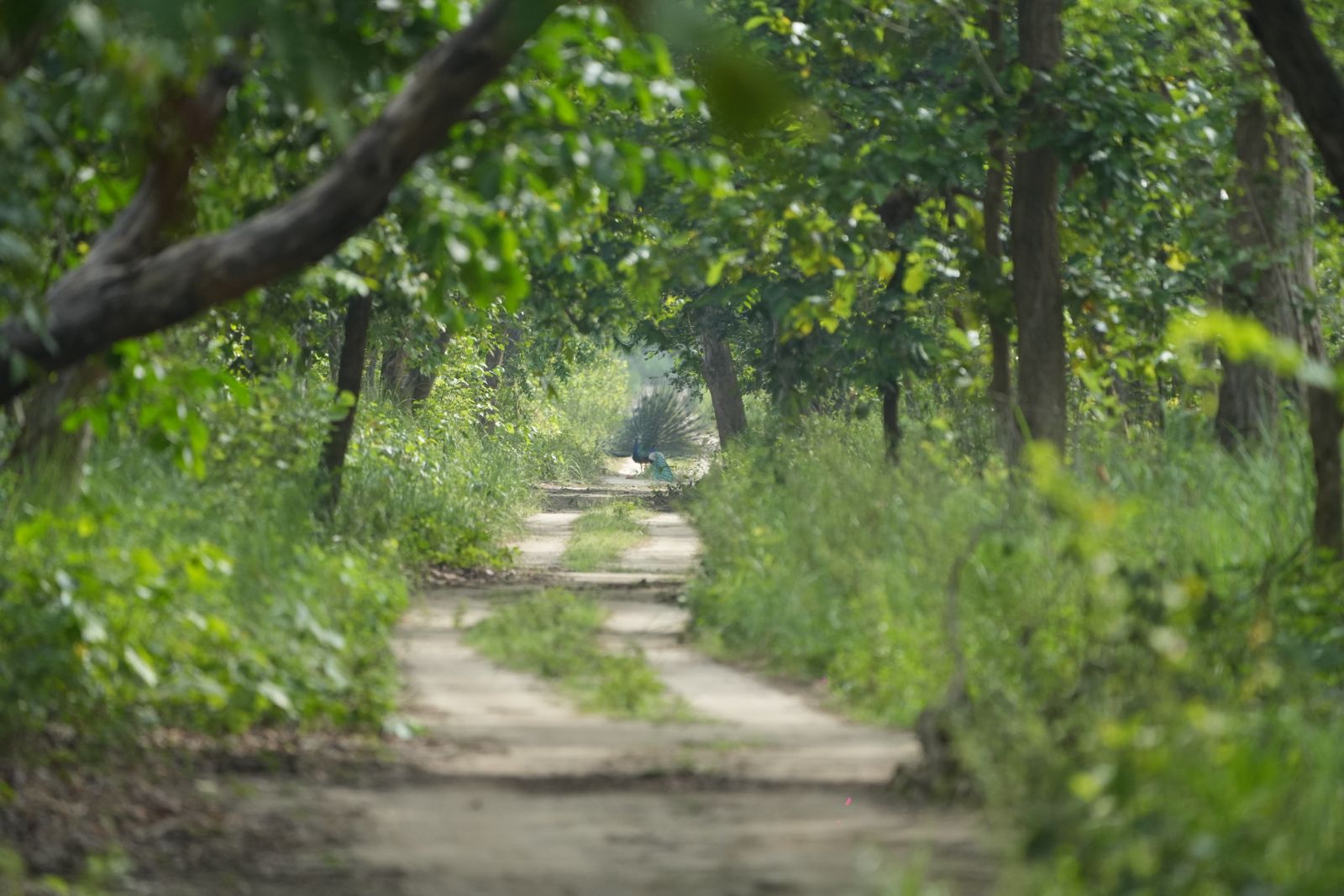
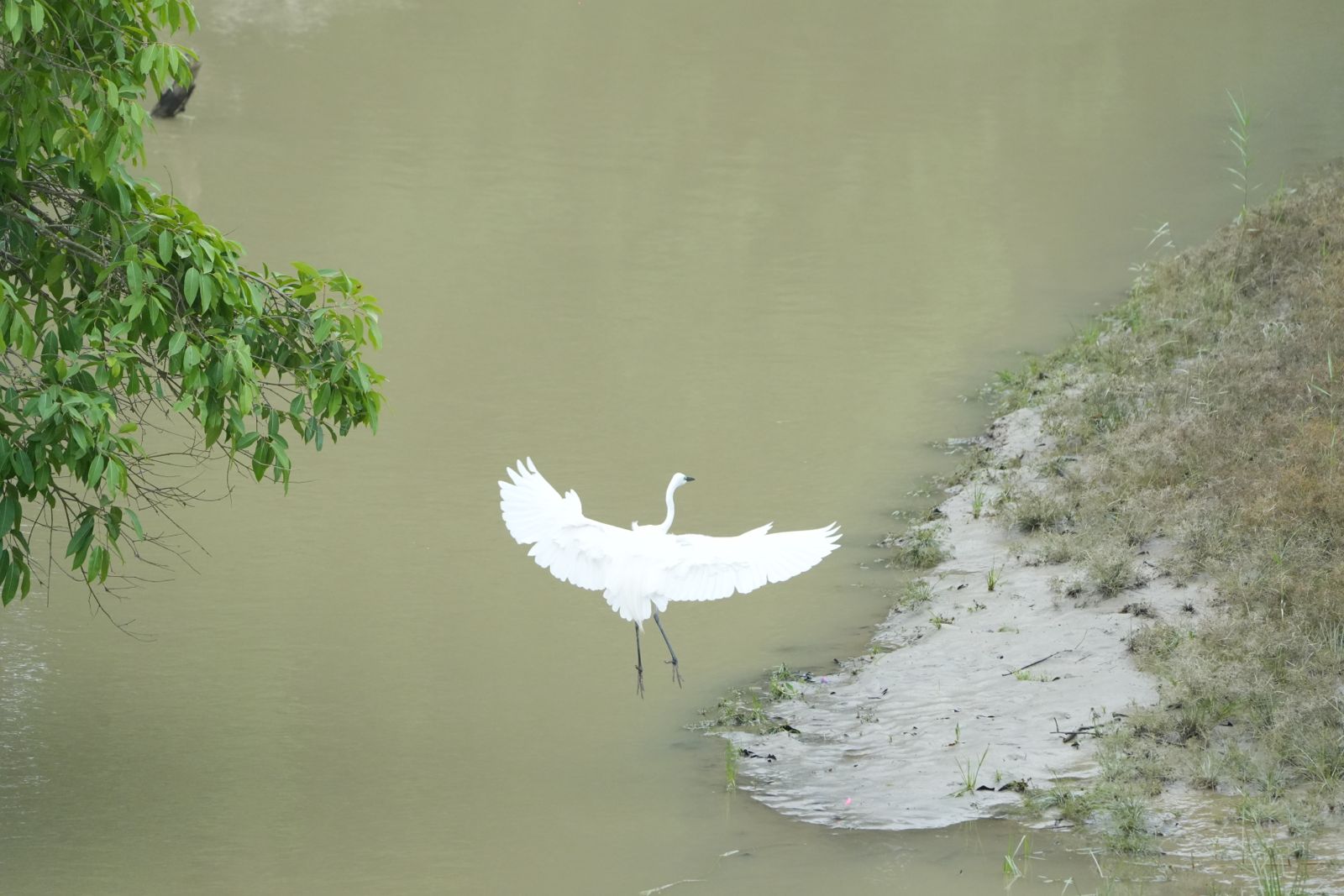
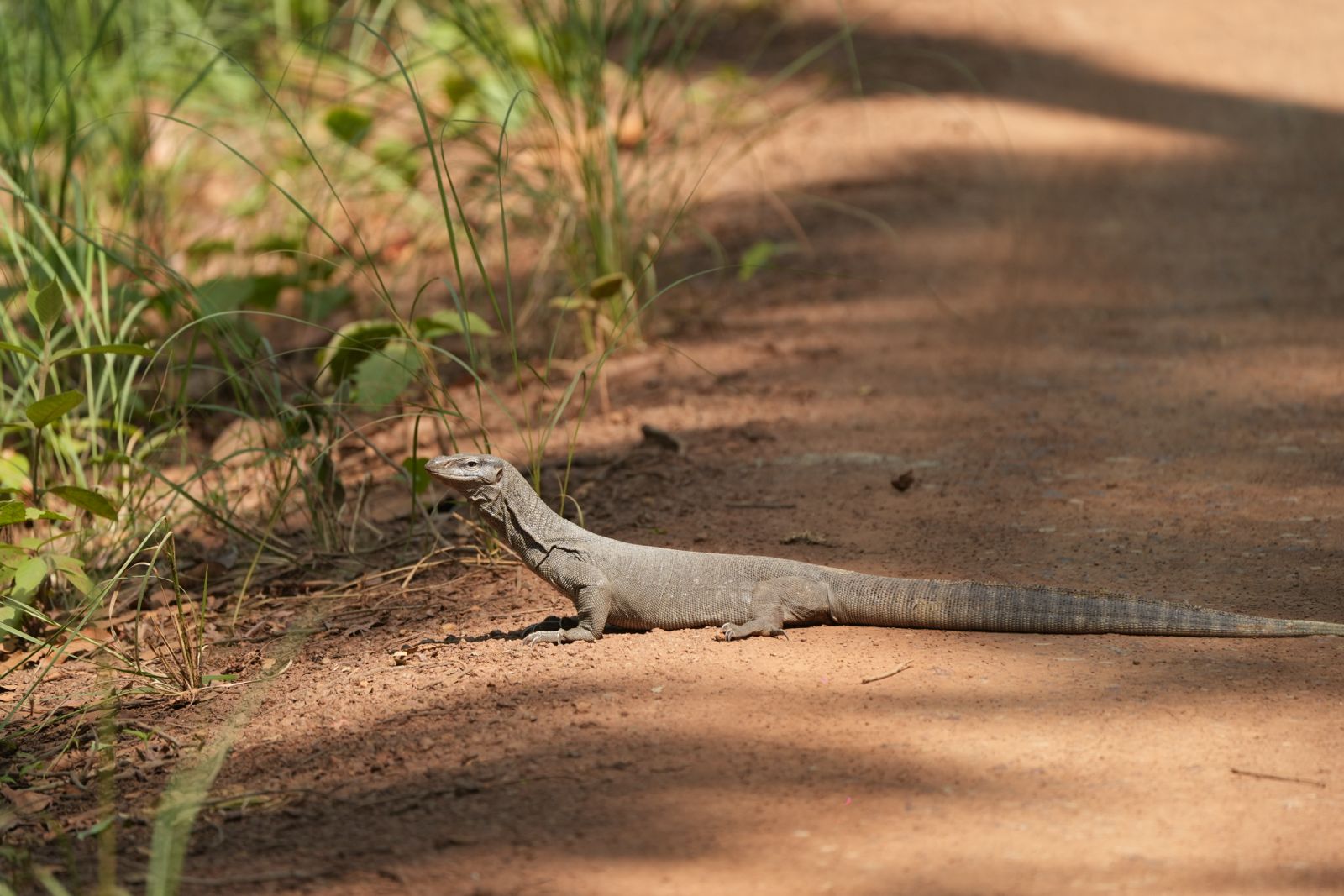
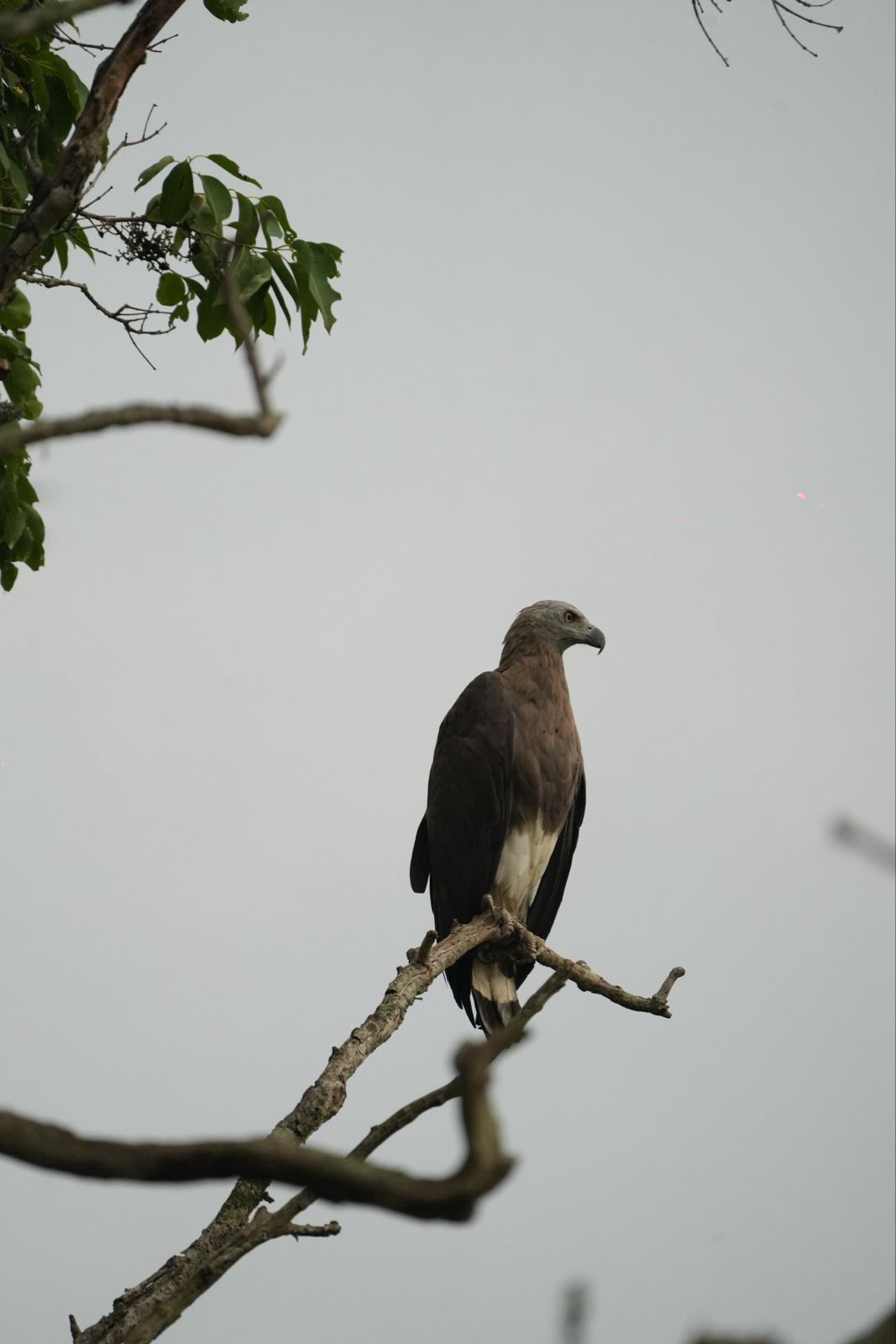
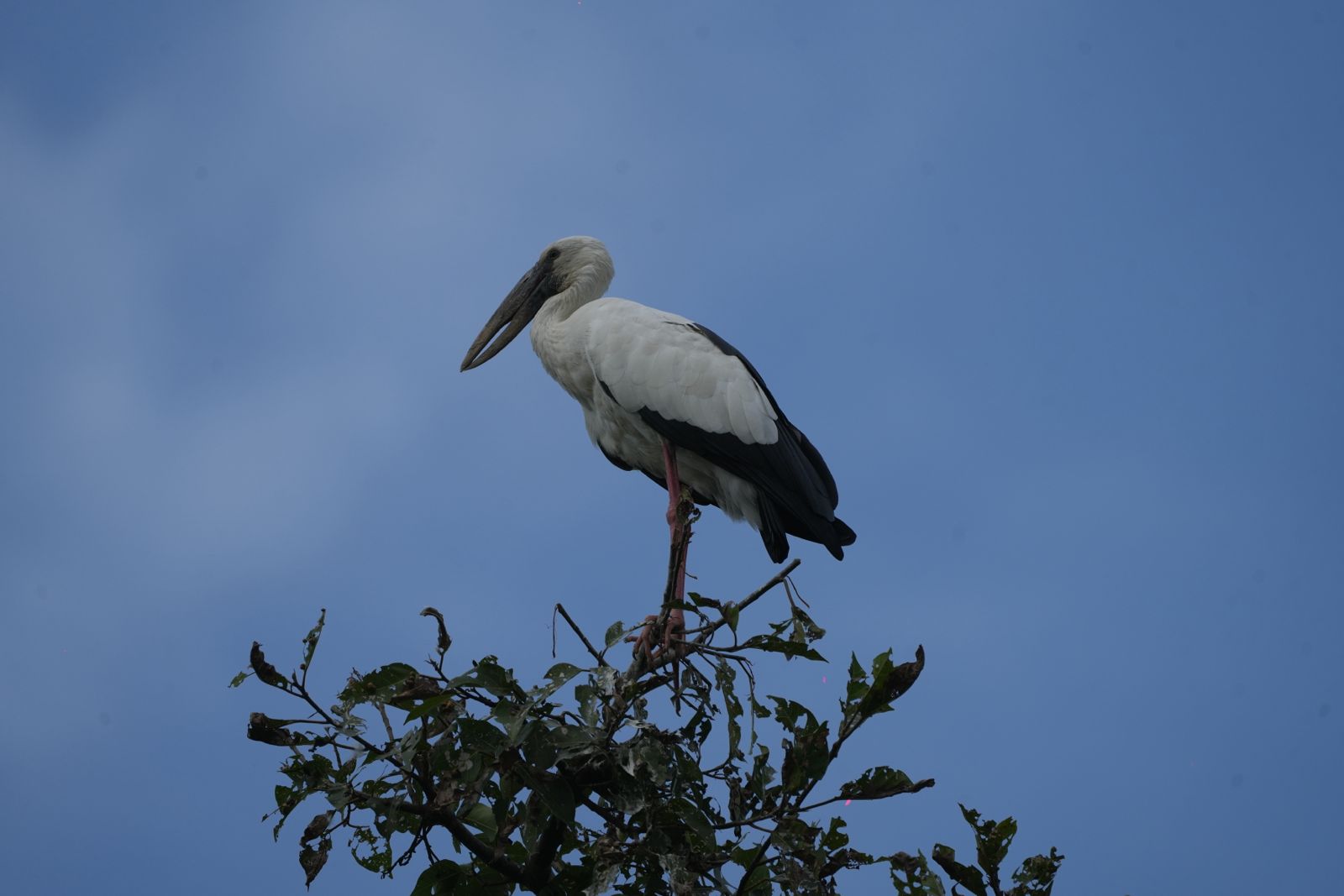
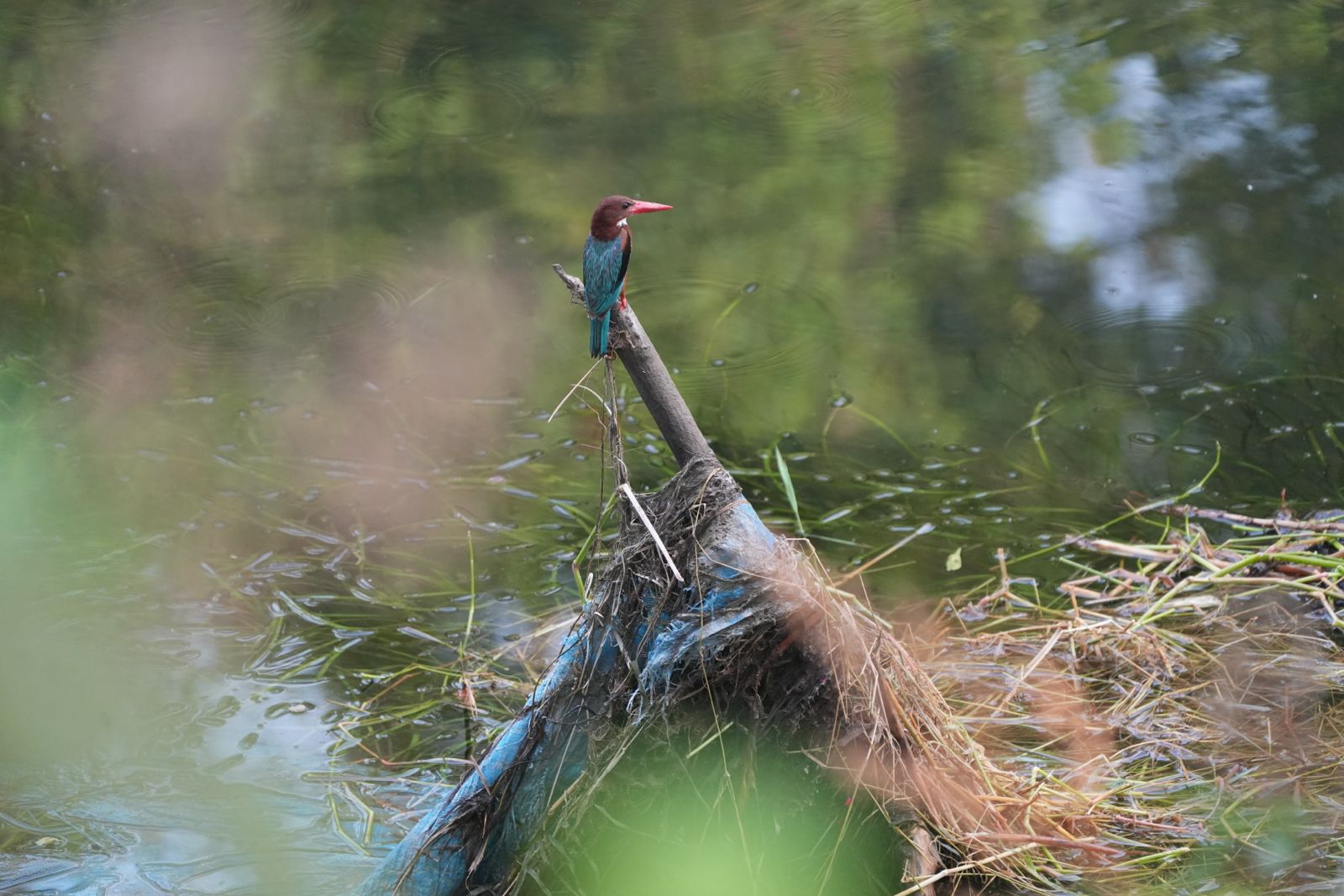
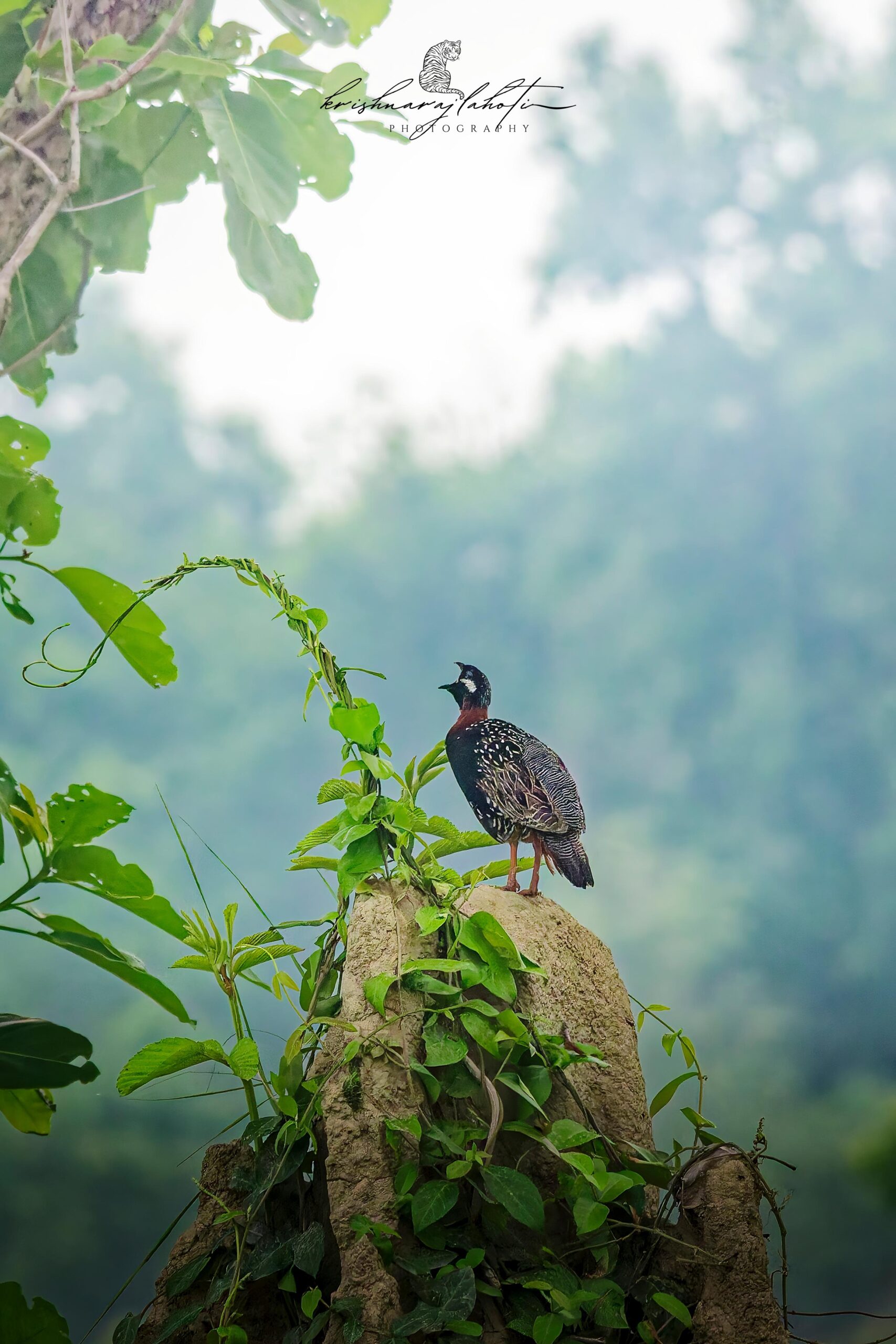
Beyond the big mammals, Dudhwa teems with vibrant smaller wildlife. We saw peacocks in full display, colorful kingfishers by the water, and songbirds filling the air with music. A highlight was spotting a large monitor lizard basking on the riverbank. These often-overlooked creatures add richness and depth to every safari.
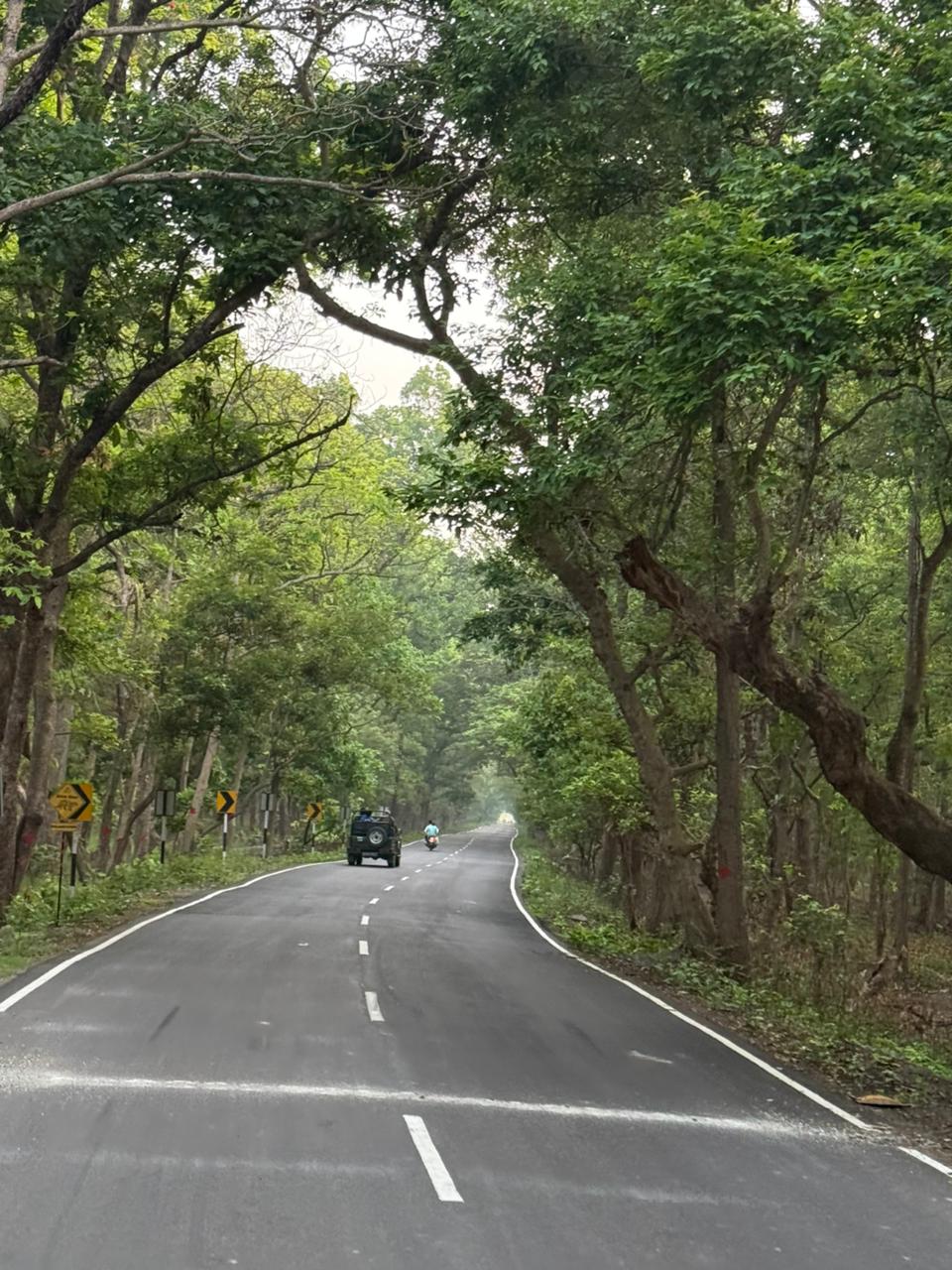
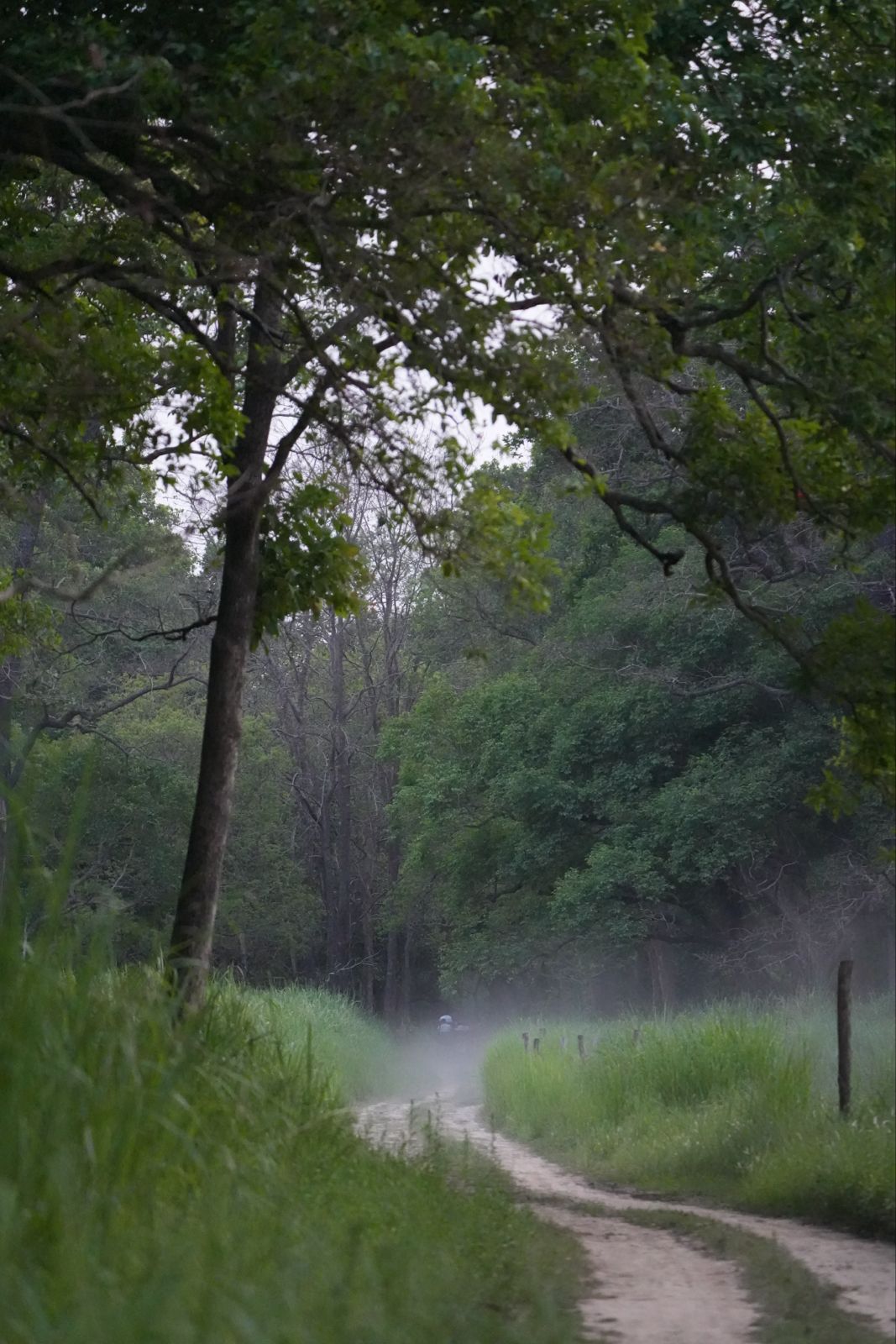
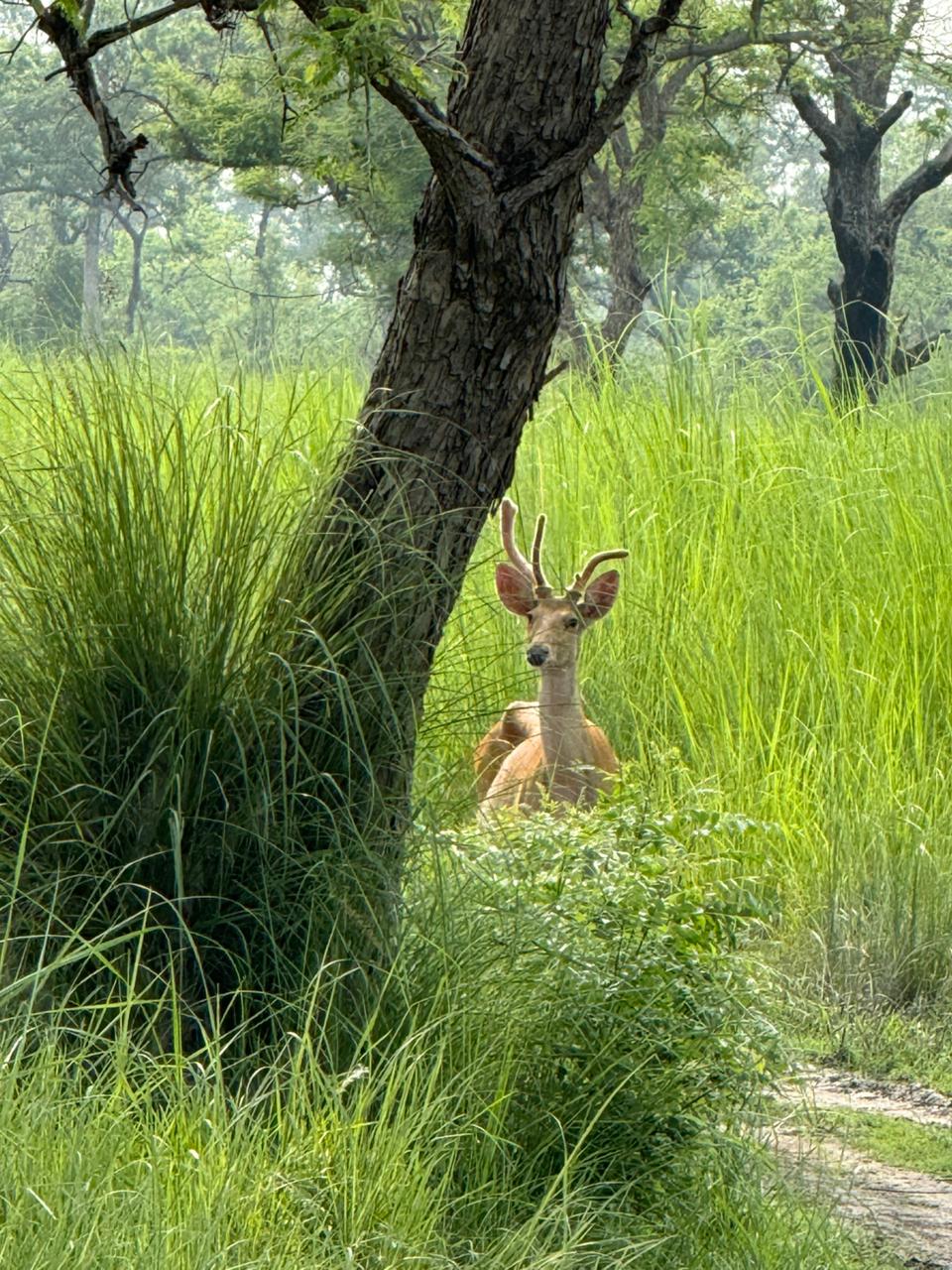
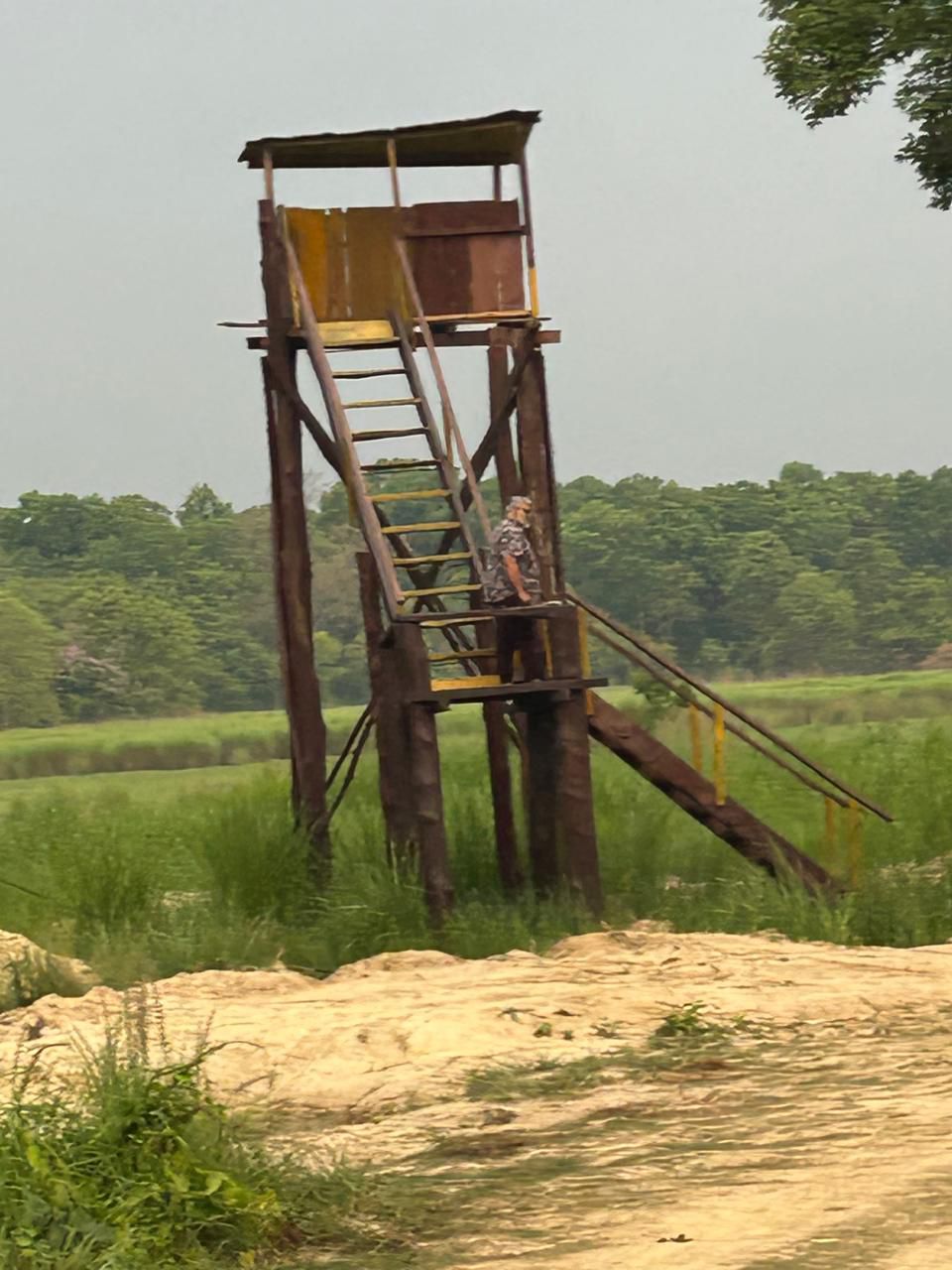
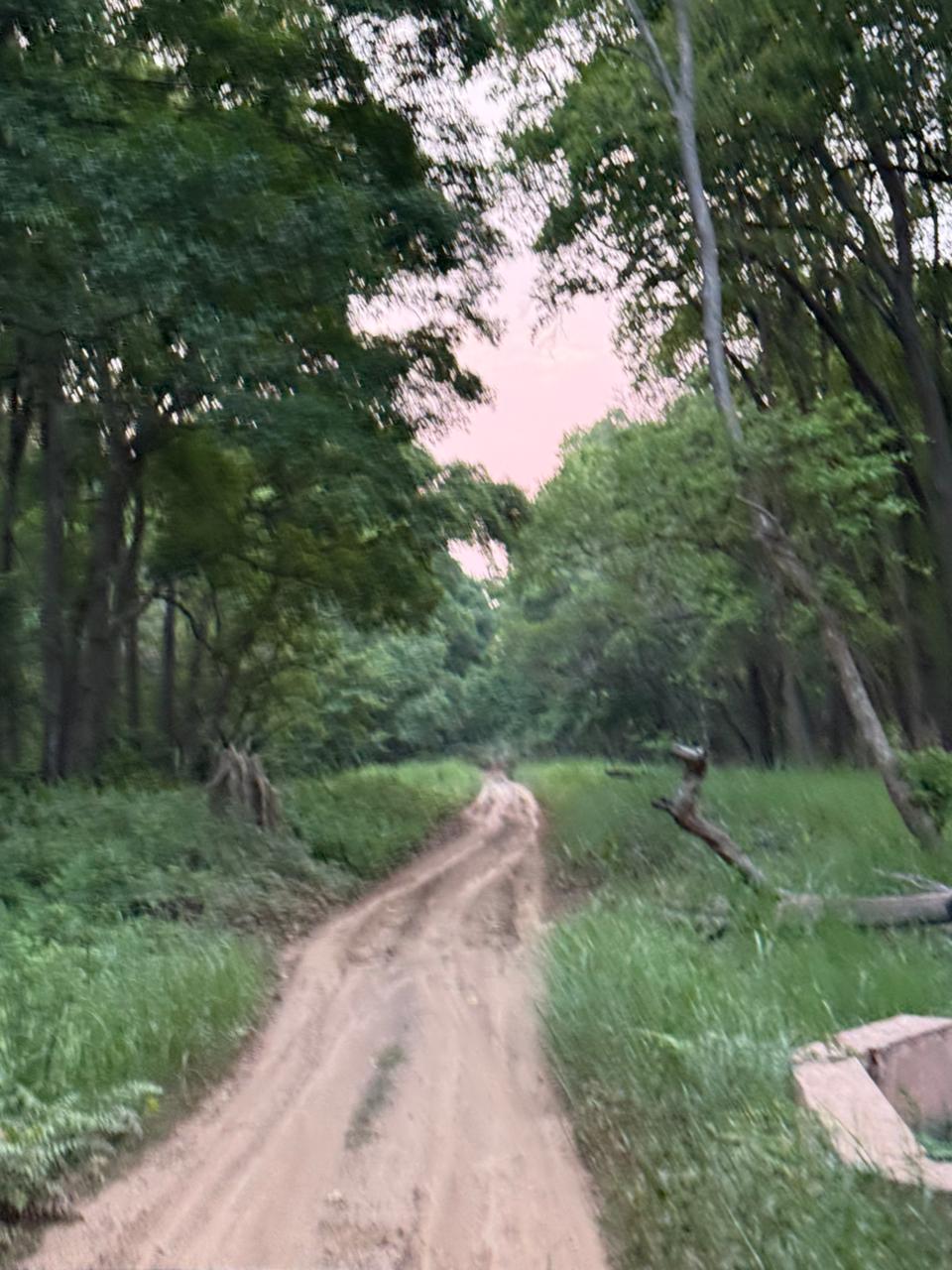
Dudhwa forest Mobile Captures:
Onward to Pilibhit
After three safaris in Dudhwa, we headed to Pilibhit on the night of May 30, with The Royal Kingdom Resort as our destination. The car journey was enjoyable, accompanied by Shri Siddharth Singh. Traveling in a lively convoy of three vehicles, we had a brief hiccup when one broke down just 4 km from the hotel—but it quickly restarted, and we arrived safely.
Pilibhit Tiger Reserve: The Hidden Jewel
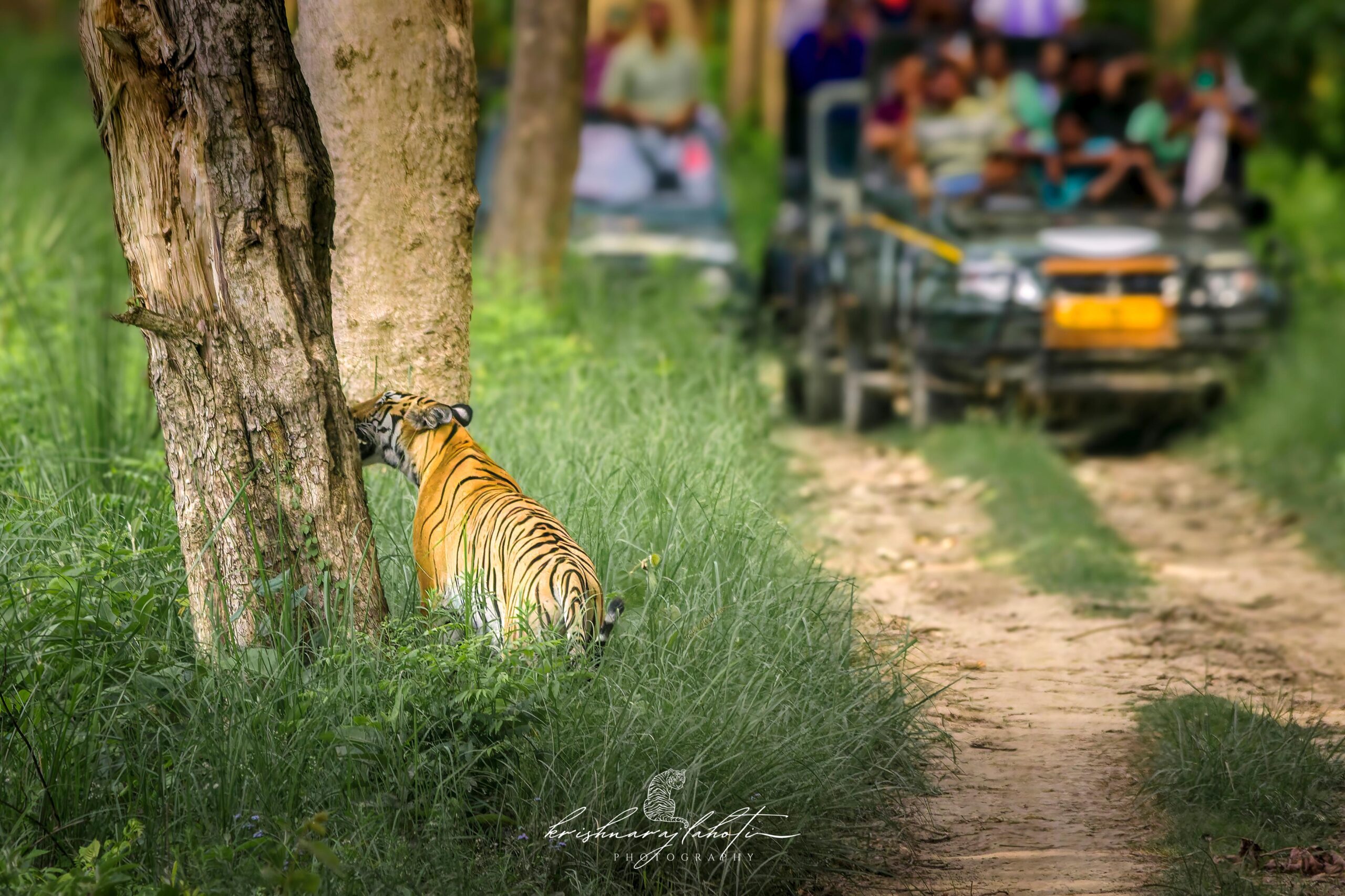
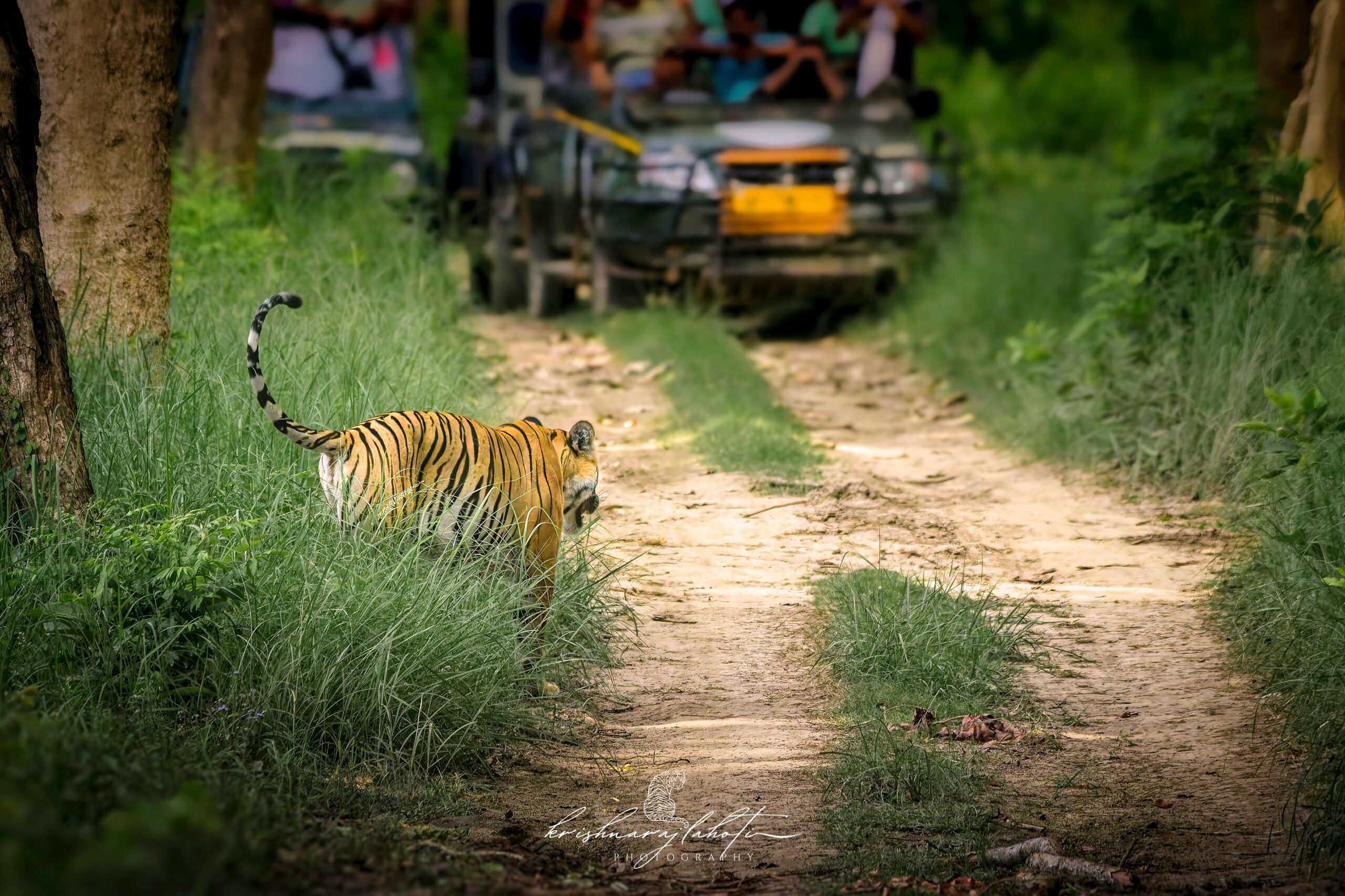
On May 31, we continued our wildlife adventure to Pilibhit Tiger Reserve. Known as one of the gems of Uttar Pradesh, Pilibhit’s dense forests and numerous canals provide a perfect and unique habitat for Tigers and many other species.
Wild Safari Escape